
FTA Bench Warrant Suspension — Pennsylvania
Free to compare
The Court Date You Missed Froze Your License
You received a traffic citation weeks or months ago — speeding, improper lane change, expired inspection. The ticket included a court date. You forgot, you worked, or you thought paying online would close the matter. The court issued a bench warrant for Failure to Appear. PennDOT received notice from the court and suspended your driver's license under 75 Pa. C.S. § 1533. You may have discovered the suspension when stopped by police, when attempting to renew your license at a Driver License Center, or when an employer ran your Motor Vehicle Record.
The suspension is not about the underlying ticket — it is about missing court. The original citation may have been minor, but the FTA converted it into a dual problem: a bench warrant in the county court system and an administrative license hold in PennDOT's Bureau of Driver Licensing. Resolving one does not automatically resolve the other. Pennsylvania operates a fragmented clearance process where the court and PennDOT function as separate bureaucratic tracks that must both be satisfied before you return to legal driving.
“The bench warrant must be recalled in court before PennDOT will process any license restoration — paying the ticket online leaves the warrant active.”

Get Back on the Road After a Missed Court Date
Get My Post-FTA Insurance Quote$50
PennDOT License Restoration Fee
Pennsylvania's base restoration fee applies after the court files a clearance notice. This fee is separate from court costs, the original ticket fine, and any bond posted to recall the warrant. Many counties also charge a separate warrant-recall fee ranging from $25 to $100.
PennDOT fee schedule, 75 Pa. C.S. § 1960
Pennsylvania Courts Issue the Warrant, PennDOT Holds the License
The structural reality: Pennsylvania suspends your license administratively when the court of common pleas notifies PennDOT that a bench warrant has been issued for Failure to Appear. The suspension is not a court order — it is PennDOT's automatic response to the court's warrant notice. This matters because the two agencies operate independently. Paying the original ticket online through a county e-filing portal may satisfy the underlying citation, but it does not recall the bench warrant. The warrant remains active until you appear in court or a judge quashes it. PennDOT will not lift the license suspension until the court files a formal clearance notice confirming the warrant has been recalled.
Most drivers assume that resolving the ticket resolves everything. It does not. The bench warrant must be addressed separately, and the court clearance notice must be transmitted to PennDOT before reinstatement is possible. County courts vary in how they handle walk-in appearances, scheduled hearings, and warrant recalls. Some counties allow same-day resolution if you appear with payment; others require scheduling a hearing two to four weeks out. There is no statewide uniform procedure published online.
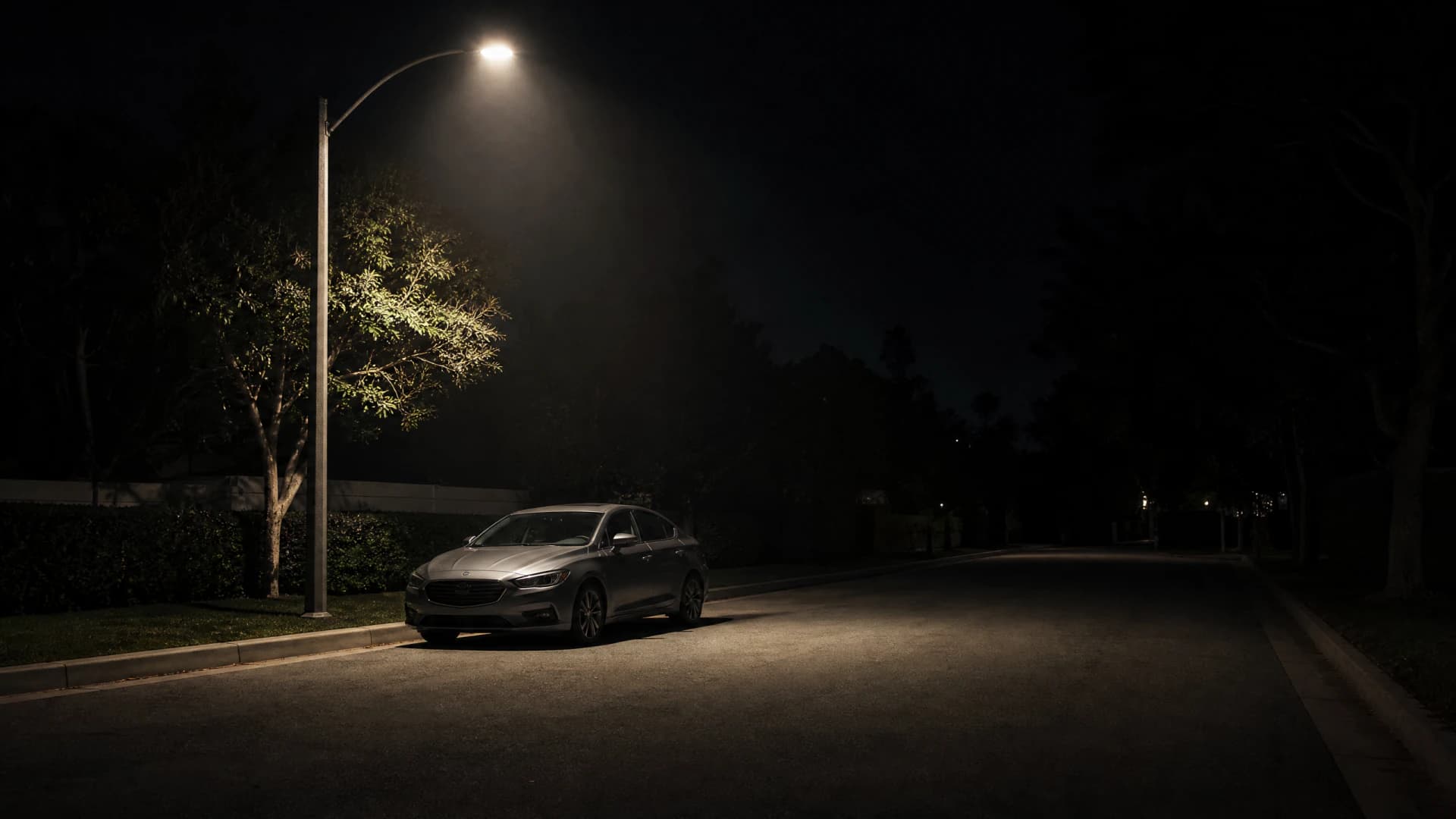
The bench warrant blocks reinstatement even after you pay the ticket — PennDOT waits for the court's clearance notice, which only files after the warrant is formally recalled.
Related Articles
Missed Court in PA? Clear FTA Hold, Reinstate License
5/18/2026
Low-Down Insurance After PA FTA
5/29/2026
Walk Into Court for FTA Warrant in PA | What to Expect
5/18/2026

FTA Court Fees in PA: Walk-In Resolution Costs
5/18/2026

How Long FTA Suspension Lasts in Pennsylvania | Court Hold
5/18/2026

PA FTA Suspension and Occupational License
5/29/2026
Court Clearance Notice to PennDOT Reinstatement
After the court recalls the warrant and files the clearance notice, PennDOT processes the license restoration. You pay the $50 restoration fee online at dmv.pa.gov or in person at any Driver License Center. PennDOT's online restoration portal allows you to check your eligibility status — if the court's clearance notice has not yet posted to your record, the portal will show the FTA suspension as still active. Do not pay the restoration fee until the portal confirms the suspension is eligible for clearance.
If your underlying citation was for driving without insurance or another offense that triggers financial responsibility requirements under 75 Pa. C.S. § 1786, you must file proof of insurance (SR-22 in some cases, standard proof of insurance in others) before PennDOT will process reinstatement. FTA suspensions for routine traffic violations (speeding, inspection, equipment) typically do not require SR-22 filing. The requirement depends on the nature of the original citation, not the FTA itself.
Processing time from fee payment to license restoration: 1 to 3 business days for online payments, same-day for in-person processing at a Driver License Center if all clearances are confirmed. If your license expired during the suspension period, you must renew it as part of the reinstatement process, which requires presenting Real ID-compliant identity documents.
3–10 business days
Court Clearance Notice Filing Window
After the judge recalls the bench warrant, the court clerk files a clearance notice to PennDOT. This is a manual administrative step, not an automated database update. The delay between your court appearance and PennDOT receiving the clearance notice determines when you can pay the restoration fee.
County Variance and the Walk-In Risk
Philadelphia, Allegheny, and Montgomery counties handle high FTA volumes and typically allow walk-in warrant recalls during business hours for summary traffic offenses. Smaller counties may require you to schedule a hearing, which can delay resolution by two to four weeks. Some counties post warrant-recall procedures on their court websites; most do not. Calling the clerk of courts before appearing is the only reliable way to determine the local procedure.
Walk-in appearances carry arrest risk if you have multiple active warrants or if the underlying offense is more serious than a summary traffic violation. If your FTA involves a misdemeanor citation (DUI, reckless driving, leaving the scene), the court may require you to post bond or may hold you until a hearing can be scheduled. Consult the court clerk or a local attorney if you are uncertain about the severity of the underlying charge. For summary traffic offenses, walk-in resolution with payment is typically safe, but there is no universal guarantee across all 67 counties.
What to Do Right Now
Call the clerk of courts in the county where your citation was issued. Confirm whether a bench warrant is active and ask what the walk-in or hearing procedure is for your county. If the warrant exists, schedule time to appear in person with payment for the underlying ticket. Once the court recalls the warrant and files the clearance notice to PennDOT, monitor your restoration eligibility at dmv.pa.gov. Pay the $50 restoration fee as soon as PennDOT confirms the FTA suspension is cleared. If your underlying citation involved insurance violations, secure proof of coverage or SR-22 filing before submitting your reinstatement payment. The faster you move through the court process, the faster you return to legal driving — delays compound when county administrative backlogs slow the clearance-notice transmission.
How to Recall the Bench Warrant in Pennsylvania
First: determine whether a bench warrant was actually issued. Call the clerk of courts in the county where your citation originated. Provide your name and date of birth; ask whether a bench warrant is active. If the warrant exists, ask whether you can walk in during court hours to address it, or whether you must schedule a hearing. Some counties allow walk-in warrant recalls for summary traffic offenses; others require scheduled appearances. Do not assume the procedure — county practices vary significantly across Pennsylvania's 67 counties.
Second: appear at the court with payment for the underlying ticket, proof of identity, and any documentation the court clerk requested when you called. If you cannot pay in full, ask the clerk whether a payment plan is available — many Pennsylvania courts allow installment plans for traffic fines. The judge or magistrate will recall the warrant once you appear and address the underlying matter. The court will then file a clearance notice with PennDOT. This clearance notice is not instantaneous — it may take 3 to 10 business days for the court's administrative staff to transmit the notice to PennDOT's central office in Harrisburg.
Get Your Free Quote
Get My Post-FTA Insurance QuoteFrequently Asked Questions
Can I pay my Pennsylvania FTA ticket online and lift the license suspension?
No. Paying the underlying ticket online does not recall the bench warrant or lift the PennDOT license suspension. The court must formally recall the warrant, and the court clerk must file a clearance notice to PennDOT before reinstatement is possible. This requires appearing in court in most counties.
How do I check if I have a bench warrant in Pennsylvania?
Call the clerk of courts in the county where the citation was issued. Provide your name and date of birth and ask whether a bench warrant is active. Some counties post warrant information on their court websites, but calling the clerk is the most reliable method.
What happens if I walk into court with an active bench warrant in Pennsylvania?
For summary traffic offenses, most counties allow you to address the warrant by appearing with payment and resolving the underlying ticket. For misdemeanor offenses, the court may require you to post bond or schedule a hearing. Consult the court clerk before appearing if you are uncertain about the severity of the charge.
How long does it take PennDOT to lift an FTA suspension after the court recalls the warrant?
The court clerk files a clearance notice to PennDOT after recalling the warrant. This administrative step typically takes 3 to 10 business days. Once PennDOT receives the notice, you can pay the $50 restoration fee and reinstate your license within 1 to 3 business days for online payments.
Do I need SR-22 insurance to reinstate my license after a Pennsylvania FTA suspension?
SR-22 is required only if the underlying citation involved insurance violations (driving without insurance, uninsured motorist violations). FTA suspensions for routine traffic violations (speeding, inspection, equipment) do not require SR-22 filing. The requirement depends on the nature of the original citation.
Can I get a hardship license in Pennsylvania while my FTA suspension is active?
No. Pennsylvania's Occupational Limited License (OLL) is not available for FTA suspensions. The court-issued bench warrant and PennDOT administrative hold must both be resolved before any driving privileges are restored. There is no restricted-driving remedy for FTA holds.