
Can You Get a Restricted License During an FTA Hold in SC?
Free to compare
Why South Carolina FTA Holds Block Hardship License Applications
South Carolina's Failure-to-Appear hold prevents any restricted driving privilege until the underlying court matter is cleared. The South Carolina Department of Motor Vehicles (SCDMV) cannot issue a Route Restricted License while an active FTA hold exists in the system. The hold originates from the court that issued the original citation — not from SCDMV — and only the originating court can release it.
This differs from other suspension types in South Carolina. DUI suspensions, uninsured motorist suspensions, and points-based suspensions all permit Route Restricted License applications during the suspension period. FTA holds do not. The court action must resolve first.
Most drivers discover the FTA hold when they attempt to renew their license or when stopped during a traffic stop. By that point, a bench warrant is often active alongside the hold. The warrant creates arrest risk if you walk into court without resolving it first. Some counties allow warrant recall by phone or attorney representation before your court appearance. Others require in-person surrender. Check the originating court's clerk office for county-specific procedures before appearing.

What Court Clearance Actually Requires in South Carolina
Clearing an FTA hold in South Carolina requires three steps: warrant recall if one was issued, resolution of the underlying citation, and court notification to SCDMV that the matter is closed. Warrant recall procedures vary by county. Magistrate courts and municipal courts handle most traffic citations in South Carolina. Larger counties like Greenville, Charleston, and Richland often allow attorneys to arrange warrant recalls remotely. Smaller counties may require personal appearance.
The underlying citation determines what happens next. If the original ticket was for speeding, improper lane change, or another moving violation without insurance implications, you will pay the fine and court costs. If the citation was for driving without insurance or operating an uninsured vehicle, the court will require proof of current insurance before closing the case. That citation type also triggers downstream SR-22 filing requirements once the court matter closes.
After the court resolves the citation and recalls any warrant, the clerk submits an electronic clearance notice to SCDMV. This process typically takes 3 to 7 business days. The FTA hold does not lift immediately when you leave the courtroom. You cannot apply for reinstatement or a Route Restricted License until SCDMV receives and processes that clearance notification. Call SCDMV's suspension unit to confirm the hold has cleared before paying the reinstatement fee.


Route Restricted License Eligibility After the FTA Hold Clears
Once the FTA hold clears, Route Restricted License eligibility depends on whether any other suspensions remain active. If the only suspension was the FTA hold itself, your full driving privilege is restored after you pay the $100 reinstatement fee. No hardship application is needed because the suspension ends when the hold clears.
If the underlying citation triggered a separate suspension — for example, driving without insurance or a DUI charge that was resolved as part of the FTA court appearance — that suspension remains active after the FTA hold clears. South Carolina allows Route Restricted License applications for DUI suspensions, uninsured motorist suspensions, and points-based suspensions. The application is submitted to SCDMV with proof of employment or other qualifying need, an SR-22 certificate if required by the suspension type, and the $100 application fee. Ignition interlock device installation is mandatory for DUI-related restricted licenses under South Carolina's Emma's Law.
Most FTA holds stem from minor traffic citations that do not trigger downstream suspensions. The court resolves the ticket, the hold clears, and the driver pays the reinstatement fee. No hardship license is needed. Verify your specific suspension status by requesting a driving record from SCDMV before assuming you need a Route Restricted License.

Get Back on the Road After a Missed Court Date
Get My Post-FTA Insurance QuoteCost Stack for FTA Hold Resolution and Reinstatement
Resolving an FTA hold and reinstating your South Carolina license involves multiple fees collected by different agencies. Court costs for warrant recall vary by county but typically range from $100 to $250. The underlying citation fine depends on the original offense — speeding tickets in South Carolina range from $15 to $200 plus court costs, while uninsured motorist citations carry fines up to $200 plus mandatory SR-22 filing.
SCDMV charges a $100 reinstatement fee once the FTA hold clears. This fee is separate from court costs and applies even if the citation itself was dismissed. If a Route Restricted License is required after reinstatement because of a separate active suspension, SCDMV charges an additional $100 application fee for the restricted license. If ignition interlock is required, installation costs approximately $70 to $150, with monthly monitoring fees of $60 to $90.
SR-22 insurance adds another layer of cost if the underlying citation was for driving without insurance. SR-22 filing itself carries a one-time fee of $15 to $50 depending on the carrier, but the underlying insurance premium increase is more significant. High-risk auto insurance with SR-22 endorsement in South Carolina typically costs $140 to $220 per month for minimum liability coverage. That rate applies for the 3-year SR-22 filing period South Carolina requires after uninsured motorist violations.

SR-22 Requirements Depend on the Underlying Citation Type
Not all FTA holds trigger SR-22 filing requirements. The underlying citation determines whether SR-22 is required after the court matter resolves. South Carolina mandates SR-22 for DUI convictions, uninsured motorist violations, and certain repeat moving violations. Speeding tickets, improper lane changes, and single-occurrence moving violations do not require SR-22 even if you missed the court date and an FTA hold was placed.
If your FTA hold stemmed from a citation for driving without insurance or operating an uninsured vehicle, SR-22 will be required once the court closes the case. The court does not issue the SR-22 — your insurance carrier files it electronically with SCDMV. You must purchase at least South Carolina's minimum liability coverage: $25,000 per person and $50,000 per accident for bodily injury, plus $25,000 for property damage. The carrier adds the SR-22 endorsement to that policy and submits the certificate to SCDMV. The filing must remain active and continuously renewed for 3 years.
If you do not own a vehicle but need to reinstate your license after an uninsured motorist FTA hold, non-owner SR-22 insurance satisfies South Carolina's requirement. Non-owner policies cost less than standard policies because they do not cover a specific vehicle. Expect monthly premiums of $50 to $90 for non-owner SR-22 coverage in South Carolina. The SR-22 filing period and reinstatement fee apply the same way as standard policies.
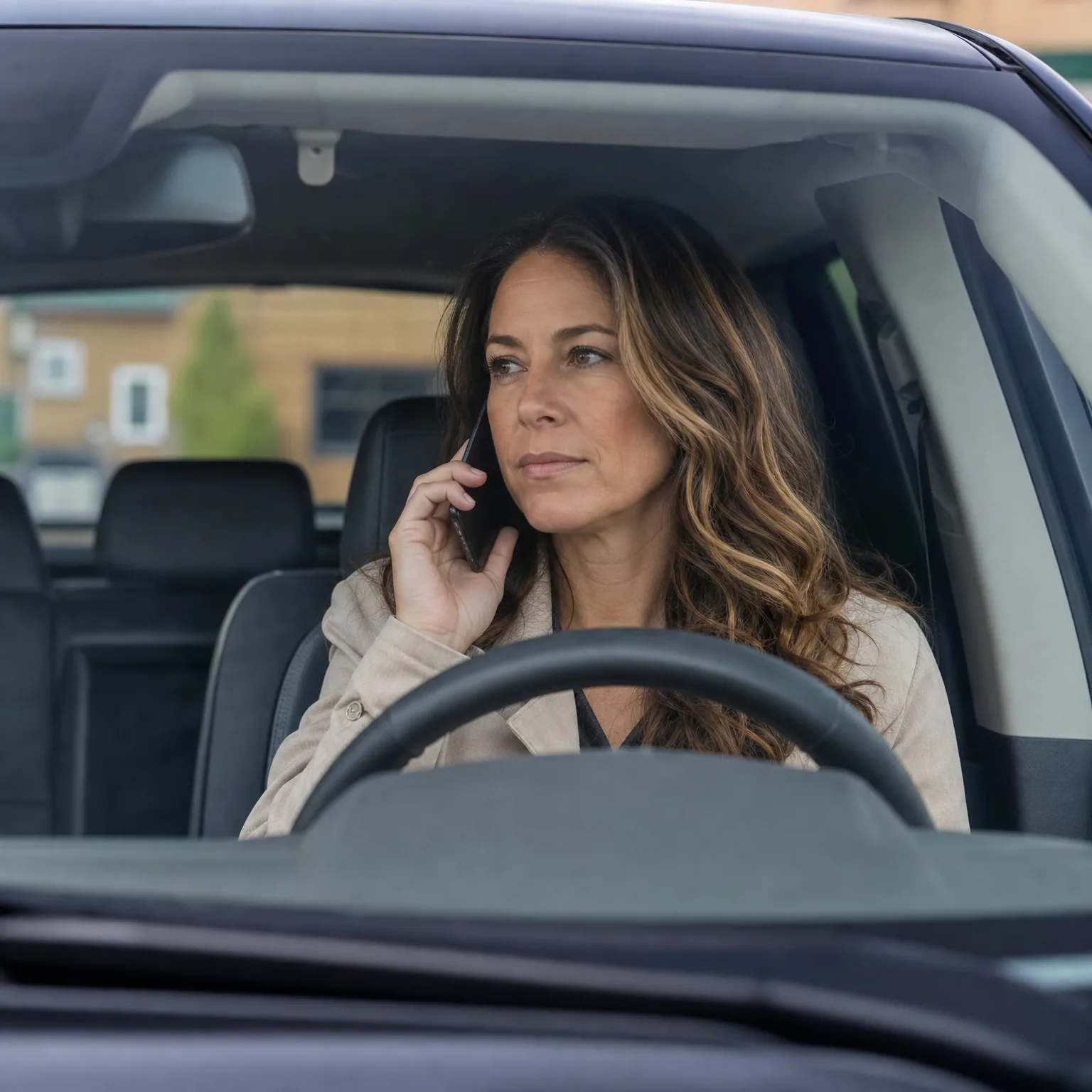
What Happens If You Drive During an Active FTA Hold
Driving on a suspended license in South Carolina is a separate criminal offense. If stopped while an FTA hold is active, you face charges for driving under suspension in addition to any new citations issued during the stop. First-offense driving under suspension in South Carolina carries fines up to $300 and potential jail time of up to 30 days. The vehicle may be impounded at the scene.
A second offense within 5 years escalates to fines up to $5,000 and possible imprisonment of up to 1 year. The court also extends the suspension period for each conviction. These penalties apply regardless of the reason for the original suspension. FTA holds, DUI suspensions, and points-based suspensions all carry the same driving-under-suspension penalties once the license is no longer valid.
If you have an active bench warrant alongside the FTA hold, the stop becomes an arrest. The officer will transport you to the county detention center for warrant processing. Bond is set by the magistrate or municipal judge who issued the warrant. Most traffic-related FTA warrants result in release on personal recognizance or a small bond, but the arrest and booking process can take 6 to 12 hours. Resolve the warrant and FTA hold before attempting to drive.
Frequently Asked Questions
Can I get a hardship license in South Carolina if I have a bench warrant for FTA?
No. South Carolina does not issue Route Restricted Licenses while an active FTA hold or bench warrant is in the system. The warrant must be recalled and the underlying court matter resolved before any hardship application can be submitted to SCDMV. Most counties allow warrant recall by attorney representation or personal appearance at the clerk's office before the scheduled court date.
How long does it take for an FTA hold to clear after I resolve the ticket in court?
The court clerk submits an electronic clearance notice to SCDMV after the case closes. SCDMV typically processes the clearance within 3 to 7 business days. The FTA hold does not lift immediately when you leave the courtroom. Call SCDMV's suspension unit to confirm the hold has cleared before paying the reinstatement fee or applying for a Route Restricted License if another suspension remains active.
Do I need SR-22 insurance after clearing an FTA hold in South Carolina?
It depends on the underlying citation. If the FTA hold stemmed from a speeding ticket or other minor moving violation, SR-22 is not required. If the citation was for driving without insurance or an uninsured motorist violation, South Carolina mandates SR-22 filing for 3 years after the court matter resolves. The SR-22 certificate must be filed by your insurance carrier before SCDMV will reinstate your license.
Can I pay the reinstatement fee online after my FTA hold clears?
Yes. SCDMV allows online reinstatement fee payment through the scdmvonline.com portal once the FTA hold clears and no other suspensions remain active. The $100 reinstatement fee can be paid by credit card or debit card. If SR-22 filing is required, the SR-22 certificate must be on file with SCDMV before the online payment system will process the reinstatement. Verify your suspension status by requesting a driving record before attempting payment.
What happens if I can't afford to pay the court fines and reinstatement fee right away?
Most South Carolina magistrate and municipal courts allow payment plans for fines and court costs. Request a payment plan arrangement at your court appearance or through the clerk's office. The FTA hold will not clear until the court closes the case, which typically requires at least a first payment on the plan. SCDMV's reinstatement fee must be paid in full before your license is restored. No payment plan option exists for the reinstatement fee itself.
Will my insurance rates go up after an FTA hold is cleared?
If the underlying citation was a minor moving violation and no SR-22 filing is required, most carriers do not increase rates solely because of the FTA hold. If the citation was for driving without insurance or a DUI charge, expect significant rate increases. Post-FTA reinstatement insurance with SR-22 endorsement in South Carolina typically costs $140 to $220 per month for minimum liability coverage. Non-standard carriers like Dairyland, The General, and Direct Auto specialize in high-risk policies and may offer lower rates than standard carriers after license reinstatement.
Related Articles

Recall a Bench Warrant in SC After Missing Court | FTA
5/18/2026

Clear Missed-Court Suspension in SC: Walk-In Path
5/18/2026

Restricted License During FTA Hold in Kentucky
5/18/2026

FTA Hold During Job Loss: Clear Court First to Drive
5/18/2026

SD Bench Warrant Recall: Clear FTA License Hold
5/18/2026

FTA Hold vs Administrative Suspension: Key Differences
5/18/2026