
FTA Hold Active While Trying to Renew: Counter-Surprise Recovery
Free to compare
Why the FTA Hold Appears at Renewal, Not When the Warrant Issues
DMV databases receive FTA hold notifications from courts within 7 to 14 days of a missed appearance, but most states do not mail separate suspension notices for FTA holds. The hold sits dormant in the system until you attempt a transaction: renewal, address change, or reinstatement from another cause. When you submit renewal paperwork or attempt online renewal, the system queries your record, detects the FTA hold flag, and blocks the transaction. This is why many drivers learn about bench warrants and FTA suspensions simultaneously at the counter, months after the original missed court date.
The counter-surprise dynamic creates immediate problems. You likely budgeted time for a renewal transaction, not a court appearance to clear a warrant. If the underlying citation was minor—a fix-it ticket or a speeding violation—you may have forgotten it entirely. The DMV clerk cannot remove the hold. Only the issuing court can release the FTA flag, and that requires appearing before a judge or clerk magistrate, resolving the underlying matter, and requesting formal notification to the DMV. Timelines vary: some courts transmit electronic releases within 48 hours; others mail paper forms that take 7 to 10 business days to process.
Bench warrant status determines your immediate risk. Misdemeanor FTA warrants (typically issued for citations requiring a court appearance, such as reckless driving or DUI-related offenses) authorize arrest. Infraction FTA holds (issued for most traffic tickets that allowed written pleas) generate administrative blocks but not arrest authority in most states. Call the court clerk before appearing in person if you are unsure which type applies. Many courts allow you to check warrant status by case number online or by phone without triggering enforcement action.

Clearing the FTA Hold: Court Appearance Pathway
Walk-in court appearances work for infraction-level FTA holds in most jurisdictions. Arrive at the clerk's window during business hours with your citation number, explain that you missed the original court date, and request a new hearing or an immediate resolution if the citation allows it. Bring payment for the original fine, court costs, and any FTA penalties the jurisdiction assesses. Many courts bundle these into a single total at the counter. If the original citation allows written plea options and you plead guilty or no contest, the clerk may resolve the matter immediately and issue an FTA release form on the spot.
Misdemeanor bench warrants require scheduled hearings in most states. You cannot walk in and resolve these at the clerk's window. Call the court, explain that you wish to address an outstanding bench warrant, and request a hearing date. Some jurisdictions allow you to post bond by phone or online before the hearing, which removes arrest authority while the case is pending. Others require you to appear with counsel or turn yourself in at the sheriff's office to clear the warrant before a hearing is set. Do not ignore arrest-authority warrants. Judges treat voluntary appearances more favorably than arrests during traffic stops.
Once the court resolves the underlying matter—whether by plea, payment, or dismissal—request explicit confirmation that the FTA release has been transmitted to the DMV. Ask for a case disposition printout and an FTA clearance form if your state uses them. Some courts require you to file a separate motion to recall the warrant even after paying the fine; do not assume payment alone clears the hold. Verify with the clerk that the release transmission is complete before leaving the courthouse.


DMV Reinstatement After the Court Clears the FTA
DMV processing timelines depend on whether your state uses electronic court integration or paper notification. States with electronic systems (California, Texas, Florida, Ohio, Illinois) typically update license records within 24 to 72 hours after the court transmits the release. Paper-notification states (Kentucky, Louisiana, West Virginia, others) require 7 to 14 business days for mail delivery and manual data entry. Call your DMV regional office 3 business days after the court appearance to confirm the hold has cleared before attempting renewal again.
Reinstatement fees for FTA holds vary by state. Most states do not charge a separate reinstatement fee for FTA-only suspensions if you resolve the matter before the license expiration date, but a few assess administrative penalties regardless of timing. If your license expired while the FTA hold was active, you may face late renewal fees in addition to any FTA penalties. Bring the court disposition paperwork, your old license, and payment when you return to the DMV. Some states require in-person renewal after an FTA suspension even if you normally qualify for online renewal.
Compound suspensions complicate reinstatement. If the original citation that triggered the FTA was for driving without insurance, you now face two holds: the FTA suspension and the uninsured-driving suspension. Clearing the FTA releases only the failure-to-appear block. The insurance suspension requires proof of current coverage and possibly SR-22 filing before the DMV will reinstate your license. Always ask the court clerk whether the underlying citation carries additional DMV consequences beyond the FTA hold itself. Many drivers clear the FTA only to discover a second suspension they were unaware of when they return to renew.

Get Back on the Road After a Missed Court Date
Get My Post-FTA Insurance QuoteWhat the Underlying Citation Means for Insurance Requirements
SR-22 filing requirements depend on what the original citation alleged, not the FTA itself. Missing court does not trigger SR-22. Driving without insurance, DUI, reckless driving, and license-already-suspended violations do trigger SR-22 in most states. If your FTA was for a speeding ticket, lane violation, or equipment citation, you typically will not need SR-22 after reinstatement. If the FTA was for an uninsured-driving charge, expect SR-22 filing for 1 to 3 years depending on your state.
Carriers treat FTA suspensions as administrative actions, not moving violations. Your premium increase depends on the underlying citation, not the missed court date. A driver with an FTA for a parking ticket will see no rate impact. A driver with an FTA for reckless driving will see the reckless-driving surcharge once the citation resolves. Some carriers will not quote drivers with active suspensions of any kind; others will quote but require proof of reinstatement before binding coverage. If you need coverage immediately after clearing the FTA and the underlying citation requires SR-22, start the quote process the same day you appear in court. Processing delays for SR-22 certificates range from 1 to 5 business days depending on the carrier and filing state.
Non-standard carriers specialize in post-suspension and SR-22 coverage. If the underlying citation was serious, expect quotes from non-standard markets first. Standard-market eligibility typically returns 1 to 3 years after reinstatement if you maintain continuous coverage and avoid new violations. Minimum liability limits satisfy most state requirements, but some judges impose higher limits as a reinstatement condition for serious violations. Verify coverage requirements with the court before purchasing a policy to avoid buying insufficient limits.
Preventing Future FTA Holds
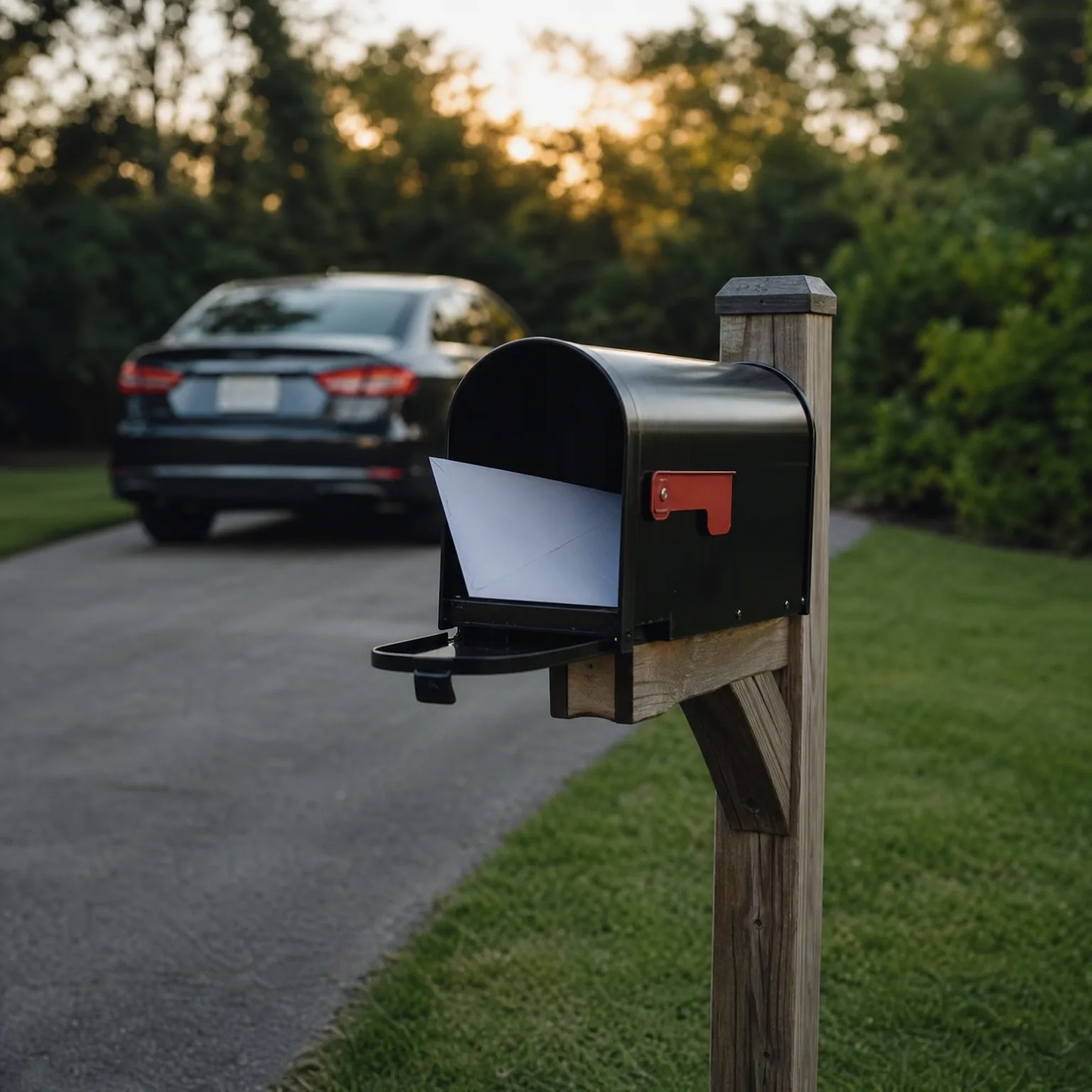
Most FTA holds result from missed mail, not intentional neglect. Citations mailed to an old address, court date notifications lost in processing, or online systems that failed to confirm receipt all create FTA risk. Update your address with the DMV within 10 days of any move. Courts pull mailing addresses from DMV records; if your license shows an outdated address, you will not receive hearing notifications.
Calendar every court date immediately when you receive a citation. If you cannot appear, most courts allow continuances by phone or online if you request them at least 48 hours before the hearing. Missing a hearing you requested to reschedule is treated more harshly than missing an original date, so do not request continuances unless you are certain you can appear at the new time. Failure-to-appear on a rescheduled date often results in immediate bench warrant issuance with no additional notice.
Some states allow written pleas for infraction-level citations, which eliminate the need for a court appearance entirely. If your citation includes a written plea form, submit it before the deadline even if you plan to contest the charge later. A written plea preserves your option to request a hearing while avoiding automatic FTA if you miss the deadline. Judges are more willing to set aside guilty pleas entered under written procedures than to recall bench warrants issued for missed appearances.
Frequently Asked Questions
Can I renew my license online if the FTA hold was just cleared by the court?
Most states require 24 to 72 hours for electronic FTA release transmission from the court to the DMV database. If your state uses paper notifications, expect 7 to 14 business days. Call your DMV regional office to confirm the hold has cleared before attempting online renewal. Some states disable online renewal for any driver with a suspension history in the past 12 months regardless of clearance status.
Does paying the ticket online clear the FTA hold automatically?
No. Paying the fine resolves the underlying citation but does not recall the bench warrant or release the FTA hold in most jurisdictions. You must appear in court or contact the clerk's office to request formal warrant recall and FTA release transmission to the DMV. Some courts allow you to request release by phone after payment if the citation was infraction-level.
Will I be arrested if I go to court to clear an FTA bench warrant?
Voluntary surrender to address a bench warrant is not typically treated as an arrest in most jurisdictions if you appear during business hours at the clerk's window or schedule a hearing in advance. Misdemeanor warrants carry arrest authority, but judges and clerks process voluntary appearances administratively unless the underlying charge is serious or you have prior FTA history. Call the court before appearing if you are concerned about arrest risk.
Can I get a hardship license while the FTA hold is active?
No. Courts and DMVs do not issue hardship or occupational licenses while an FTA hold is unresolved. The administrative block prevents all license transactions until the court releases the hold. Hardship eligibility depends on the underlying citation and your state's restricted-license program, which you can explore only after the FTA is cleared and any resulting suspension is processed.
What if the FTA was for a ticket in another state?
Interstate Driver's License Compact states report FTA suspensions to your home state, which then places a corresponding hold on your license. You must clear the FTA in the state where the citation was issued. Contact that state's court directly, resolve the underlying matter, and request FTA release. Once transmitted, your home state will lift the reciprocal hold. Processing timelines are longer for out-of-state FTA clearances, typically 10 to 21 business days.
Does an FTA suspension show on my driving record after it's cleared?
Yes. Most states retain FTA suspension records for 3 to 7 years even after reinstatement. The record shows the suspension date, the clearance date, and the underlying citation type. Insurance carriers see this history during underwriting. The rate impact depends on the underlying violation, not the FTA itself, but some carriers apply administrative surcharges for any suspension history regardless of cause.
Related Articles

FTA Hold to Bench Warrant Timeline: How Fast It Posts
5/18/2026

Why FTA Hold Blocks Reinstatement After Ticket Paid
5/18/2026

FTA Hold Cleared but License Still Suspended: Next Steps
5/18/2026

Walk-In FTA Court Appearance: Clear Your Hold Without Delay
5/18/2026

Bench Warrant Recall to Reinstatement Timeline
5/18/2026
FTA Hold in Virginia: Court-Clearance Steps After Missed Citation
5/18/2026