
FTA Hold in Nevada After a Missed Citation: Court-Clearance Steps
Free to compare
What Happens the Day Nevada Issues an FTA Hold
Nevada DMV suspends your driving privilege the day the court files the FTA hold electronically—not the day you receive notice in the mail. If you missed a traffic citation hearing on March 1st and the court filed the hold that same day, your license became invalid March 1st, even if you didn't receive a suspension notice until March 15th. Driving during that 14-day gap is driving on a suspended license, a misdemeanor under NRS 483.560.
Most Nevada FTA suspensions include a bench warrant. Justice courts and municipal courts in Clark and Washoe counties issue bench warrants automatically for missed traffic hearings; rural counties vary. The warrant allows law enforcement to arrest you during any traffic stop or at the courthouse itself if you walk in unannounced. Some courts offer warrant quash hearings by phone or allow you to post bail remotely before appearing; others require in-person surrender. Call the court clerk's office before appearing—do not assume a walk-in appearance is safe.
The underlying citation determines your downstream insurance requirements. If you missed court for an uninsured-driving ticket (NRS 485.187 violation), Nevada will require SR-22 filing once the FTA is cleared and the citation resolved. If you missed court for speeding, illegal U-turn, or failure to yield, SR-22 typically is not required. The FTA hold itself does not trigger SR-22—the underlying offense does.
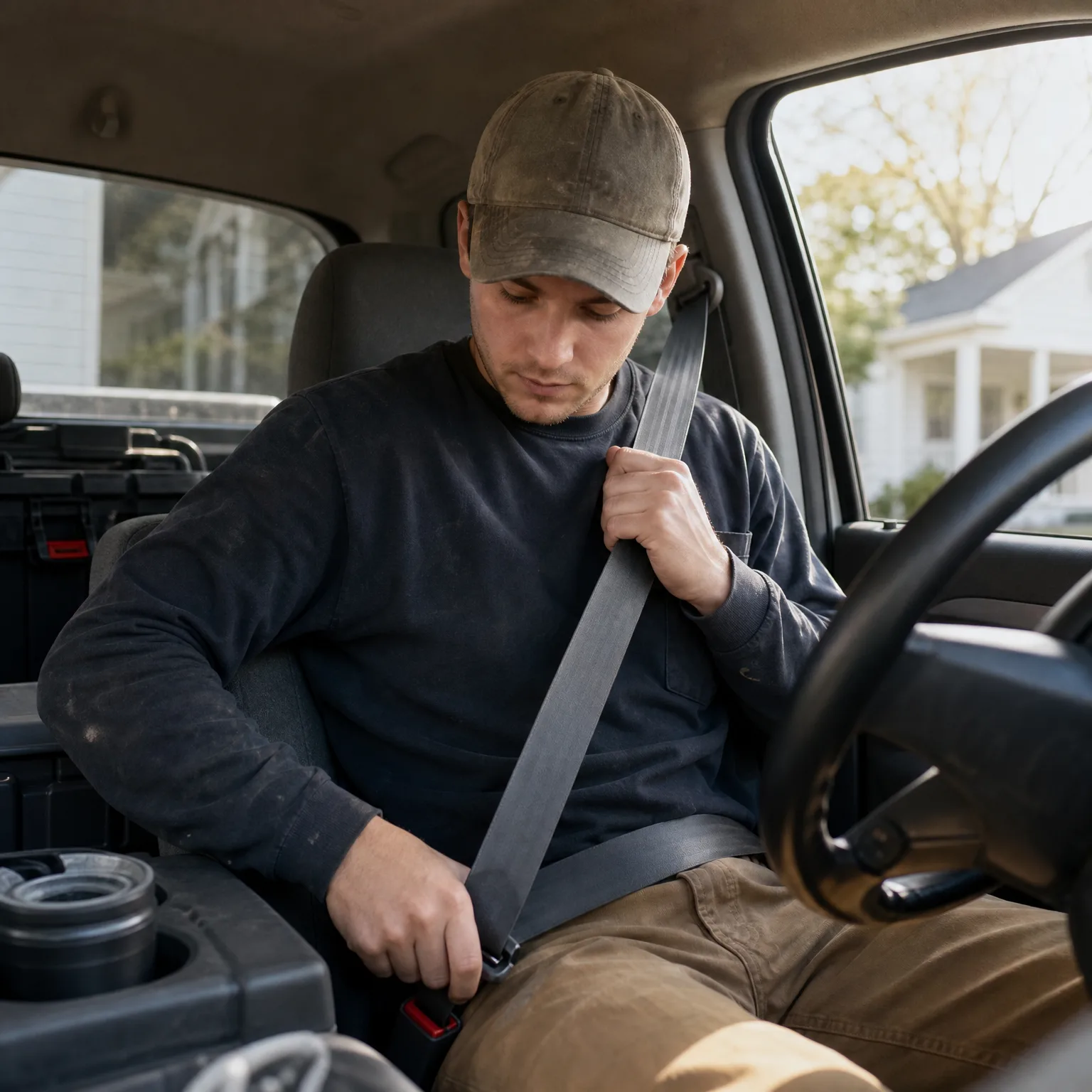
Court-Clearance Process: Appear, Resolve, Request Release
Nevada courts do not lift FTA holds automatically when you appear. You must complete three separate steps: appear at the hearing or reschedule, resolve the underlying citation (pay the fine, plead guilty, contest and win, or accept deferred adjudication), and request the FTA release form that the court files electronically with Nevada DMV.
Most Nevada justice courts allow you to schedule a new hearing date by phone if you contact the clerk before walking in. If a bench warrant is active, the court may require you to post bail (typically $500–$1,000 depending on the underlying offense) before scheduling the new date. Bail is refundable if you appear at the rescheduled hearing. If you walk in without calling first, you risk arrest on the warrant, booking, and a bail hearing before a judge—a process that can take 24-48 hours in Clark County.
Once the citation is resolved, ask the clerk for the FTA release confirmation. Nevada courts file these electronically through the state's case management system, but the filing can take 3-7 business days. The clerk should provide you with a stamped court order showing the FTA hold was released and the date it was transmitted to DMV. Keep this document—you will need it if DMV's system shows the hold still active when you attempt reinstatement.


DMV Reinstatement After the Hold Is Released
Nevada DMV will not process reinstatement until its electronic system shows the FTA hold cleared. Even after the court files the release, DMV's records can lag 7-14 business days. If you attempt to reinstate online or in person before the system updates, the transaction will be rejected and you will be told the hold is still active. Wait 10 business days after your court date before attempting reinstatement, or call Nevada DMV customer service at 775-684-4368 to confirm the hold cleared before driving to a DMV office.
Nevada charges a $35 reinstatement fee for FTA holds under NRS 483.490. This fee is separate from court fines, bail, and any ticket payment. If your underlying citation was uninsured driving, you must also file SR-22 with a Nevada-licensed insurer before DMV will reinstate—the SR-22 filing fee varies by carrier but typically adds $25–$50. If the underlying citation was a standard traffic violation, SR-22 is not required and you proceed directly to paying the $35 fee.
Reinstatement for FTA holds can be completed online through dmvnv.com eServices if the hold has cleared electronically and no SR-22 filing is required. If SR-22 is required, you must complete reinstatement in person at a DMV office after your insurer files the SR-22 certificate. Bring your court release order, SR-22 confirmation, and payment for the $35 fee. Processing is same-day if all documents are in order.
Compound Suspensions: FTA Plus Unpaid-Fine Hold
Some Nevada drivers face two simultaneous holds after an FTA: the FTA hold issued when they missed court, and an unpaid-fine hold issued after the court resolved the case and they failed to pay within 30 days. These are separate administrative actions. Clearing the FTA hold does not automatically clear the unpaid-fine hold. You must pay the fine in full and request a separate release for the unpaid-fine hold.
Nevada DMV treats each hold as a separate suspension requiring a separate $35 reinstatement fee. If both holds are active, you owe $70 total to DMV after the court clears both. The court does not consolidate these releases—you must request both explicitly. Ask the clerk whether any other holds are active on your driving record when you resolve the FTA. If the clerk confirms only the FTA hold exists, you avoid the second fee.
If you missed court for a citation that also triggered an insurance-lapse suspension (for example, you were cited for uninsured driving and then failed to obtain insurance), Nevada DMV will impose three separate holds: the FTA hold, the unpaid-fine hold, and the insurance-lapse hold under NRS 485.187. Each requires separate clearance and a separate reinstatement fee. The total cost in this scenario can reach $105 in DMV fees alone, plus SR-22 filing, court fines, and insurance premiums.

Get Back on the Road After a Missed Court Date
Get My Post-FTA Insurance Quote
Bench Warrant Risk and Arrest Avoidance
Nevada bench warrants for FTA do not expire. The warrant remains active until you appear in court or post bail. If you are stopped for any reason—traffic violation, registration check, pedestrian contact—the officer will see the warrant and must arrest you. Some drivers avoid the courthouse for months or years because they fear arrest; the warrant does not go away during that time.
Clark County and Washoe County courts allow you to resolve most misdemeanor traffic warrants by calling the clerk's office, posting bail remotely via credit card, and scheduling a hearing. Bail amounts vary by offense: $500 for most traffic citations, $1,000 for reckless driving or uninsured-accident citations, $2,500 for DUI-related FTA warrants. Once bail is posted, the warrant is recalled and you can appear at the scheduled hearing without arrest risk. Rural counties (Elko, Nye, Lyon, Churchill) typically require in-person bail posting at the courthouse or county jail.
If you cannot afford bail, some Nevada courts offer warrant quash hearings where you appear before a judge, explain why you missed the original date, and request the warrant be recalled without bail. The judge may grant this if you have proof of a medical emergency, military deployment, or other documented hardship that prevented your appearance. If the judge denies the quash, you will be arrested at the hearing and held until bail is posted or a new hearing date is set. Call the court clerk to ask whether warrant quash hearings are available before walking into the courthouse.

SR-22 Requirement: When the Underlying Offense Triggers Filing
Nevada does not require SR-22 for the FTA hold itself. SR-22 filing is triggered by the underlying offense you missed court for. If you missed court for speeding, illegal lane change, failure to stop, or any standard moving violation, SR-22 is not required once the FTA is cleared. If you missed court for uninsured driving (NRS 485.187), driving on a suspended license (NRS 483.560), reckless driving (NRS 484B.653), or DUI (NRS 484C.110), Nevada will require SR-22 as a condition of reinstatement.
SR-22 filing lasts 3 years in Nevada for uninsured-driving violations and DUI offenses. The 3-year period begins the day your insurer files the SR-22 certificate with Nevada DMV, not the day you resolve the FTA or pay the fine. If your insurer cancels your policy or you allow coverage to lapse during the 3-year period, Nevada DMV will suspend your license again and restart the SR-22 clock from zero.
SR-22 insurance premiums in Nevada typically cost $140–$190 per month for standard liability coverage after an uninsured-driving citation, and $180–$260 per month after DUI. Estimates based on available industry data; individual rates vary by age, vehicle, county, and driving history. Non-standard carriers writing SR-22 in Nevada include Bristol West, Dairyland, Geico, Infinity, Kemper, National General, Progressive, State Farm, The General, and USAA. Standard carriers often decline SR-22 applicants or quote premiums 40-60% higher than non-standard specialists.
What to Do Right Now if You Have an Active FTA Hold
Call the court clerk's office that issued the citation. Confirm whether a bench warrant is active and whether you can post bail remotely or schedule a warrant quash hearing. If no warrant exists, ask whether you can schedule a new hearing by phone or whether you must appear in person to reschedule. Write down the clerk's name, the date you called, and the instructions they provided—some Nevada courts deny having given phone instructions if you are arrested walking in.
If a warrant is active and you can post bail remotely, do so immediately. The warrant remains active until bail is posted, and every day you drive increases arrest risk. Once bail is posted, the court will provide a new hearing date—typically 14-30 days out. Appear at that hearing on time. If you miss the rescheduled date, the court will issue a second FTA hold, forfeit your bail, and issue a new bench warrant at a higher bail amount.
After your court appearance, confirm with the clerk that the FTA release was filed electronically with Nevada DMV. Ask for a stamped court order showing the release date. Wait 10 business days, then call Nevada DMV at 775-684-4368 to confirm the hold cleared in their system before attempting reinstatement. If the hold has not cleared after 14 business days, return to the courthouse with your stamped release order and ask the clerk to re-file the release or provide you with a manual clearance letter for DMV.
Frequently Asked Questions
Can I clear a Nevada FTA hold without going to court in person?
Most Nevada courts allow you to schedule a new hearing by phone if no bench warrant is active. If a warrant exists, you must either post bail remotely (available in Clark and Washoe counties) or appear in person to quash the warrant. Rural courts typically require in-person bail posting. Call the court clerk before attempting any courthouse visit to confirm warrant status and remote options.
How long does it take for Nevada DMV to lift the FTA hold after I appear in court?
Nevada courts file FTA releases electronically, but DMV's system can lag 7-14 business days after the court files the release. Wait 10 business days after your court date before attempting reinstatement. If the hold still shows active after 14 days, return to the courthouse with your stamped release order and request manual clearance.
Does Nevada require SR-22 for an FTA hold on a speeding ticket?
No. Nevada requires SR-22 only for the underlying offense, not the FTA itself. If you missed court for speeding, illegal lane change, or any standard moving violation, SR-22 is not required. If you missed court for uninsured driving, reckless driving, or DUI, SR-22 is required for 3 years after reinstatement.
What happens if I drive in Nevada with an active FTA hold?
Driving with an active FTA hold is driving on a suspended license under NRS 483.560, a misdemeanor. First offense carries up to 6 months in jail and fines up to $1,000. If a bench warrant is also active, you will be arrested during any traffic stop. The FTA hold activates the day the court files it, not the day you receive notice in the mail.
Can I get a hardship license in Nevada while the FTA hold is active?
No. Nevada DMV will not issue a restricted license until all administrative holds are cleared, including FTA holds. You must appear in court, resolve the underlying citation, confirm the court filed the FTA release, wait for DMV's system to update, and pay the reinstatement fee before any driving privileges are restored.
How much does it cost to reinstate a Nevada license after an FTA hold?
Nevada charges a $35 reinstatement fee for FTA holds. This is separate from court fines, bail, and ticket payments. If your underlying citation was uninsured driving, you must also file SR-22, which adds $25-$50 in carrier filing fees and raises your monthly premium by $60-$120. If multiple holds are active (FTA plus unpaid-fine hold), you owe a separate $35 fee for each hold.
What is a bench warrant quash hearing in Nevada?
A warrant quash hearing allows you to appear before a judge and request the bench warrant be recalled without posting bail. You must show documented hardship (medical emergency, military deployment, etc.) that prevented your original court appearance. If the judge denies the quash, you will be arrested at the hearing and held until bail is posted or a new date is set. Call the court clerk to confirm whether quash hearings are available before appearing.
Related Articles

Recalling a Bench Warrant for FTA in Nevada – What to Do
5/18/2026
FTA Hold in Virginia: Court-Clearance Steps After Missed Citation
5/18/2026
FTA Hold Cleared but License Still Suspended: Next Steps
5/18/2026

FTA Hold vs Administrative Suspension: Key Differences
5/18/2026
Missed Traffic Court ND: FTA License Hold Clearance
5/18/2026

FTA Hold Found at Renewal: How to Clear and Reinstate
5/18/2026