
How to Walk Into Court for an FTA in New York With an Active Warrant
Free to compare
Can You Walk Into Court With an Active Bench Warrant in New York Without Getting Arrested?
Yes, in most New York courts handling traffic violations, you can walk into the court clerk's office or arraignment part during business hours with an active bench warrant and request to clear the FTA hold without being arrested on the spot. The key distinction is traffic violations versus criminal misdemeanors. Traffic infractions processed through the Traffic Violations Bureau (TVB) in NYC or local town/village courts outside the five boroughs typically allow walk-in appearances for FTA matters. Criminal misdemeanor FTAs carry higher arrest risk and usually require posting bail or appearing before a judge at arraignment.
When you walk in, approach the clerk's window or court officer and state that you have an active FTA hold for a traffic matter and want to clear it. The clerk will look up your case, confirm the warrant, and direct you to the appropriate part. In many cases, you will be given a new court date on the spot, the warrant will be recalled, and you will leave without being taken into custody. This process works because traffic FTAs are administrative holds, not criminal arrests — the court's goal is to get you back into the system, not to punish the missed appearance with jail time.
The arrest risk increases if: (1) the underlying ticket was issued for uninsured operation (VTL §319) or reckless driving (VTL §1212), which carry mandatory appearance requirements and higher penalties; (2) you have multiple outstanding FTA warrants across multiple courts; (3) you missed a scheduled hearing after the FTA warrant was already issued once before; or (4) the original ticket involved an accident with injury. In these situations, the court may require you to post bail before releasing you, or the judge may set a specific return date with conditions. If you are uncertain whether your FTA is a simple traffic infraction or a misdemeanor charge, call the court clerk's office before walking in and ask directly — they can tell you over the phone whether your case is handled in traffic court or criminal court.
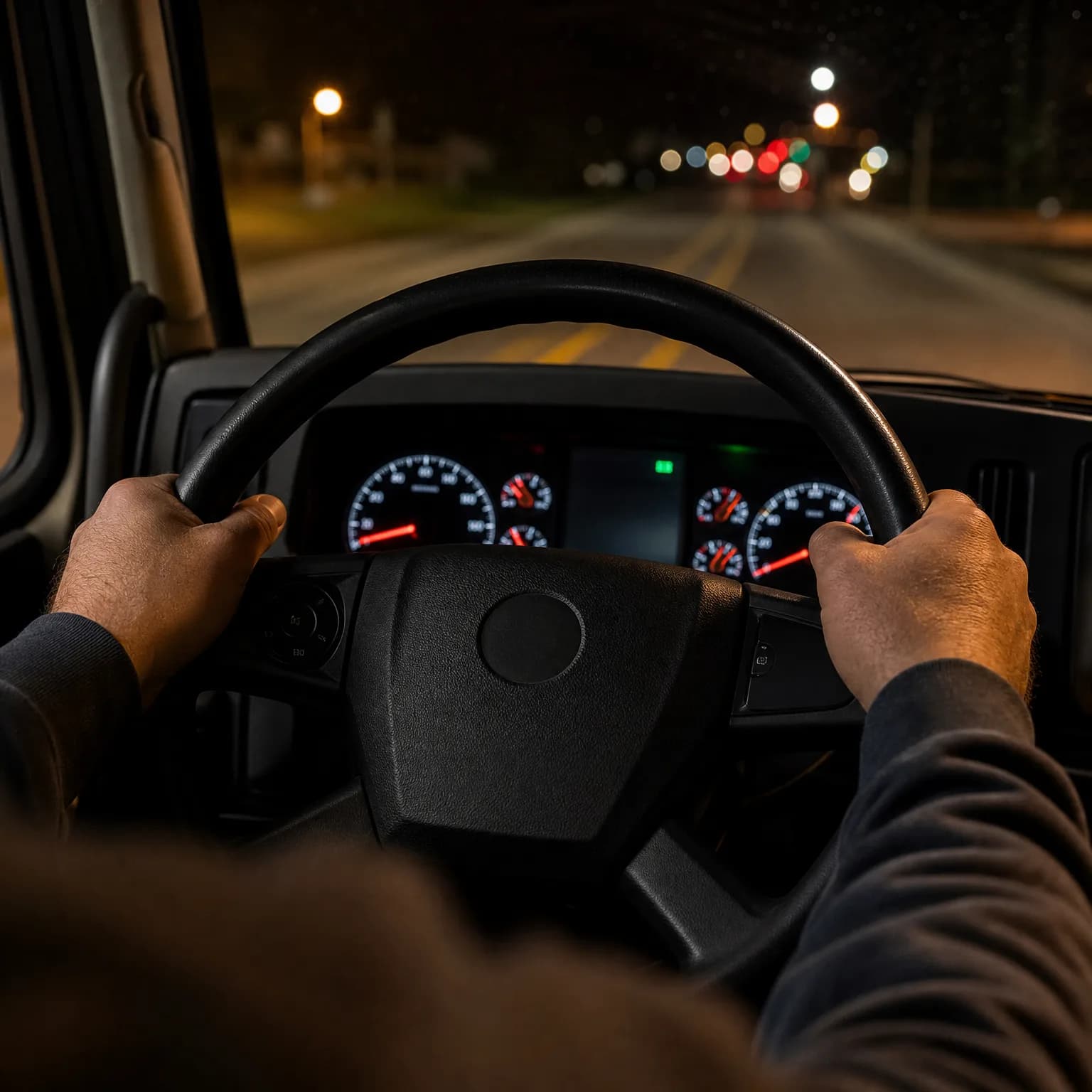
What Happens Step-by-Step When You Walk Into Court to Clear an FTA Hold in New York
Walk into the court listed on your original ticket during regular business hours — typically 9 a.m. to 4 p.m. weekdays. Bring your driver's license, the original ticket or summons if you still have it, and any documentation showing your current address. Go directly to the clerk's window or the information desk and tell them you have an active FTA hold and want to clear it. The clerk will pull up your case in the system using your name and date of birth. They will confirm the bench warrant is active, then direct you to the appropriate courtroom or arraignment part.
In many town and village courts outside NYC, the clerk will hand you a new appearance date right there at the window. The judge does not need to see you that day unless the underlying charge requires immediate arraignment. The warrant is recalled administratively, and you walk out with a new court date — usually 30 to 60 days out. In NYC Traffic Violations Bureau cases, the process is slightly different: you will be directed to a TVB hearing office where a hearing officer will assign a new hearing date and mark the FTA as resolved. The TVB does not issue criminal warrants for simple traffic infractions, so the arrest risk is lower.
If your case requires you to appear before a judge that day, you will be directed to the arraignment part. You will wait in the courtroom until your name is called. The judge will ask why you missed the original date, confirm your current contact information, and set a new appearance date. In most cases, you will be released on your own recognizance (ROR) — no bail required. The judge may issue a warning that missing the new date will result in a higher bail or possible arrest, but you will not be taken into custody unless the underlying charge is serious or you have a history of repeated FTAs.
The FTA hold on your license is not automatically lifted the moment the warrant is recalled. The court must notify the DMV that the FTA has been cleared. This notification process is not instant. Expect a 7- to 14-day delay between the court appearance and the DMV updating your license status. You can call the DMV at 518-473-5595 or check your license status online at dmv.ny.gov after one week to confirm the hold has been released. Until the DMV updates your record, your license remains suspended, and driving during this window is still illegal.


Do You Need an Attorney to Walk Into Court for an FTA in New York?
No, you do not need an attorney to walk into court and clear an FTA hold for a simple traffic infraction in New York. The process is administrative, and the clerk or judge will walk you through the steps. However, hiring an attorney becomes worthwhile if: (1) the underlying ticket was for uninsured operation, reckless driving, or another charge that carries license points, fines over $300, or potential jail time; (2) you have multiple FTA warrants across different courts and need someone to negotiate consolidated appearance dates; or (3) you are unsure whether your FTA is a traffic infraction or a criminal misdemeanor and the court clerk cannot clarify over the phone.
An attorney can appear on your behalf in many New York traffic courts without you being physically present, which eliminates the arrest risk entirely. If you hire a traffic attorney, they will file a notice of appearance with the court, request the warrant be recalled, and negotiate a new court date. You avoid the courtroom entirely. The cost for this service typically ranges from $200 to $500 depending on the court and the complexity of the case. This option makes sense if the original ticket carries high penalties or if you cannot take time off work to appear in person.
If the FTA is for a parking ticket rather than a moving violation, the process is different. Parking tickets in NYC are handled by the Department of Finance, not the courts. An FTA hold for unpaid parking tickets does not result in a bench warrant — it results in a license suspension and possible registration hold. You clear this type of FTA by paying the outstanding parking tickets online at nyc.gov/finance or in person at a Department of Finance business center. The DMV lifts the suspension once the Department of Finance confirms payment. No court appearance is required.

Get Back on the Road After a Missed Court Date
Get My Post-FTA Insurance QuoteHow Long Does It Take to Reinstate Your License After Clearing the FTA Hold in New York?
Once the court recalls the bench warrant and notifies the DMV that the FTA hold is cleared, the DMV will update your license status within 7 to 14 business days. The notification is electronic, but the DMV does not process court clearances in real time. You cannot drive legally until the DMV confirms the suspension is lifted. Check your license status online at dmv.ny.gov or call 518-473-5595 after one week to verify the hold has been removed from your record.
After the FTA hold is cleared, you must still pay a $50 suspension termination fee to the DMV before your license is fully reinstated. This fee is separate from any court fees or fines you paid for the underlying ticket. The suspension termination fee applies to all administrative suspensions in New York, including FTA holds. You can pay this fee online, by mail, or in person at a DMV office. The DMV will not reinstate your license until this fee is paid, even if the court has already cleared the FTA.
If the underlying ticket that triggered the FTA was for uninsured operation (VTL §319), you face additional requirements. Clearing the FTA hold does not clear the underlying insurance lapse suspension. You must obtain new auto insurance coverage, have your carrier report the policy to the DMV through the Insurance Information and Enforcement System (IIES), pay the VTL §319 civil penalty (which ranges from $750 to $1,500 depending on the duration of the lapse and your prior lapse history), and pay the $50 suspension termination fee. Only after all three steps are completed will the DMV reinstate your license. The total timeline from court appearance to full reinstatement in uninsured-operation FTA cases is typically 14 to 21 days, assuming no additional delays.

What If the Underlying Ticket Requires SR-22 After You Clear the FTA?
New York does not use the SR-22 certificate system. Financial responsibility after a suspension is verified through the Insurance Information and Enforcement System (IIES), a real-time electronic database that links your auto insurance carrier directly to the DMV. If the underlying ticket that triggered the FTA was for uninsured operation, driving without insurance, or another violation that requires proof of financial responsibility, your carrier will report your new policy to the DMV electronically. You do not file an SR-22 form.
If you are coming from another state where SR-22 is required and you are now trying to reinstate a New York license, the SR-22 requirement does not transfer to New York. You will need to cancel your SR-22 policy in your former state and obtain a standard New York auto insurance policy. Your New York carrier will report your coverage to the DMV through IIES. The DMV will verify your coverage electronically before reinstating your license.
Most FTA holds for simple traffic infractions — speeding, running a stop sign, cell phone use — do not require any special insurance filing after reinstatement. You clear the FTA, pay the fees, and your license is reinstated. Standard minimum liability coverage in New York is sufficient. However, if the underlying ticket was for uninsured operation or reckless driving, you may be flagged as a high-risk driver, and carriers will price your policy accordingly. Expect higher premiums for at least 36 months after the violation appears on your driving record.
Can You Get a Restricted Use License While the FTA Hold Is Active?
No, New York does not issue a Restricted Use License while an FTA hold is active. The FTA hold is an administrative block that prevents the DMV from processing any license applications, renewals, or restricted license requests until the court clears the hold. You must clear the FTA first by appearing in court, then you can apply for a Restricted Use License if you are eligible.
Even after the FTA hold is cleared, eligibility for a Restricted Use License depends on the type of suspension you are serving. If the suspension is only for the FTA itself — meaning you missed court but the underlying ticket does not carry additional penalties — you typically do not need a Restricted Use License. Once the FTA is cleared and you pay the $50 suspension termination fee, your license is fully reinstated. A Restricted Use License is only relevant if you are serving a separate suspension for DWI, multiple violations, points accumulation, or another offense that carries a mandatory suspension period.
If the underlying ticket was for DWI or another alcohol-related offense, and you missed court for that charge, you may be eligible for a Conditional License through the New York Impaired Driver Program (IDP). The IDP is a separate program from standard license reinstatement. You must enroll in the IDP, pay the program fee (approximately $225), attend all scheduled classes, and meet the eligibility requirements set by the DMV. The Conditional License allows you to drive to and from work, school, medical appointments, and program classes during your revocation period. However, you cannot apply for the Conditional License until the FTA hold is cleared and you have been arraigned on the underlying DWI charge.
Frequently Asked Questions
Will I be arrested if I walk into court with an active bench warrant in New York?
Most New York courts handling traffic violations allow walk-in appearances for FTA matters without immediate arrest. You approach the clerk's window, state you have an active FTA hold, and the clerk will direct you to the appropriate part. In most cases, the warrant is recalled administratively, and you are given a new court date without being taken into custody. Arrest risk increases if the underlying charge is a misdemeanor, if you have multiple outstanding FTA warrants, or if the ticket involved an accident with injury.
How long does it take for the DMV to lift the FTA hold after I clear it in court?
The court notifies the DMV electronically after recalling the bench warrant, but the DMV does not update your license status in real time. Expect a 7- to 14-day delay between your court appearance and the DMV lifting the FTA hold. You can check your license status online at dmv.ny.gov or call 518-473-5595 after one week to confirm the hold has been removed.
Do I need to pay the original ticket when I clear the FTA hold?
Not always. When you walk into court to clear the FTA, the judge or clerk will set a new court date to resolve the underlying ticket. You can plead guilty and pay the fine that day, or you can plead not guilty and request a hearing. If you plead guilty, you pay the fine immediately and the case is closed. If you plead not guilty, you return on the new court date to contest the ticket. The FTA hold is cleared either way once you appear.
What is the suspension termination fee in New York and when do I pay it?
New York charges a $50 suspension termination fee for all administrative suspensions, including FTA holds. You pay this fee to the DMV after the court clears the FTA hold. The DMV will not reinstate your license until this fee is paid, even if the court has already recalled the warrant. You can pay online at dmv.ny.gov, by mail, or in person at a DMV office.
Can I drive in New York after the court clears the FTA but before the DMV updates my license?
No, driving is illegal until the DMV officially lifts the suspension from your license record. Even though the court has cleared the FTA hold, your license remains suspended in the DMV system until the DMV processes the court's notification. This delay typically lasts 7 to 14 days. Driving during this window is considered driving with a suspended license and can result in a new ticket, arrest, and vehicle impoundment.
Does an FTA hold for a traffic ticket require SR-22 insurance in New York?
New York does not use SR-22 certificates. Insurance verification is handled through the Insurance Information and Enforcement System (IIES), a direct electronic link between your carrier and the DMV. If the underlying ticket was for uninsured operation or another violation requiring proof of financial responsibility, your carrier reports your new policy to the DMV electronically. Post-FTA reinstatement insurance for most simple traffic infractions does not require any special filing.
What happens if I miss the new court date after clearing the FTA?
Missing the new court date after clearing the original FTA will result in a second bench warrant and a second FTA hold on your license. The court may issue a higher bail requirement or refuse to recall the second warrant without an attorney. Judges are less lenient with repeat FTAs. If you cannot make the new court date, contact the court clerk at least 48 hours in advance to request an adjournment or reschedule.
Related Articles

Walk Into NJ Court for FTA With Active Bench Warrant
5/18/2026

NY Bench Warrant FTA: Mail vs Court Appearance
5/18/2026
Motion to Recall a Bench Warrant in NY: When You Need Counsel
5/18/2026
Walk-In FTA Court Appearance: Clear Your Hold Without Delay
5/18/2026
Misdemeanor FTA Bench Warrant in NY: What Happens Next
5/18/2026

Clear NY FTA Infraction Without Court Appearance
5/18/2026