
Step-by-Step Michigan FTA Recall: Court Filing to License Restored
Free to compare
What Happens the Moment Your Michigan FTA Warrant Is Recalled
The judge recalls your bench warrant and dismisses or adjudicates your underlying citation at the same hearing. The court clerk enters the warrant recall into the Michigan Judicial Information System (MJI), which transmits electronically to the Secretary of State within 24 hours in most counties. Your license does not automatically restore at that moment.
The Secretary of State receives the FTA-release notification and removes the court hold from your driving record. Your license status changes from "suspended - failure to appear" to "suspended - unpaid fees" or "eligible for reinstatement" depending on whether other holds exist. This status change is administrative, not visible to you unless you check your driving record online through the Michigan Secretary of State portal.
You still owe the $125 reinstatement fee to the SOS plus any court fees, ticket fines, and costs assessed at your hearing. The court fees are separate from the SOS reinstatement fee. Most drivers leave the courthouse believing their license is restored because the judge recalled the warrant, but the SOS reinstatement fee is the final lock on driving privileges.

The Two-Tier Cost Stack: Court Fees vs. Secretary of State Reinstatement
At your court appearance, you pay the original ticket fine (if the citation wasn't dismissed), any late fees the court assessed, and typically a warrant recall fee ranging from $50 to $150 depending on the district court. These payments clear your obligation to the court but do not reinstate your license.
The Secretary of State charges a separate $125 reinstatement fee once the FTA hold is released. This fee is not collected by the court, cannot be paid at the courthouse, and must be paid at an SOS branch or online through the Michigan SOS website after the electronic release appears in the state system. If you had multiple suspensions stacked (for example, an FTA hold plus an unpaid-fine suspension for the same ticket), you pay one reinstatement fee, not two.
Total cost to drive legally again: court fines plus warrant recall fee plus $125 SOS reinstatement. Budget $300 to $500 depending on your underlying citation and district court. If your underlying citation was for uninsured driving, add the cost of securing a no-fault policy with SR-22 filing before the SOS will process your reinstatement.

Why Your License Status Won't Update Until You Pay the SOS Fee
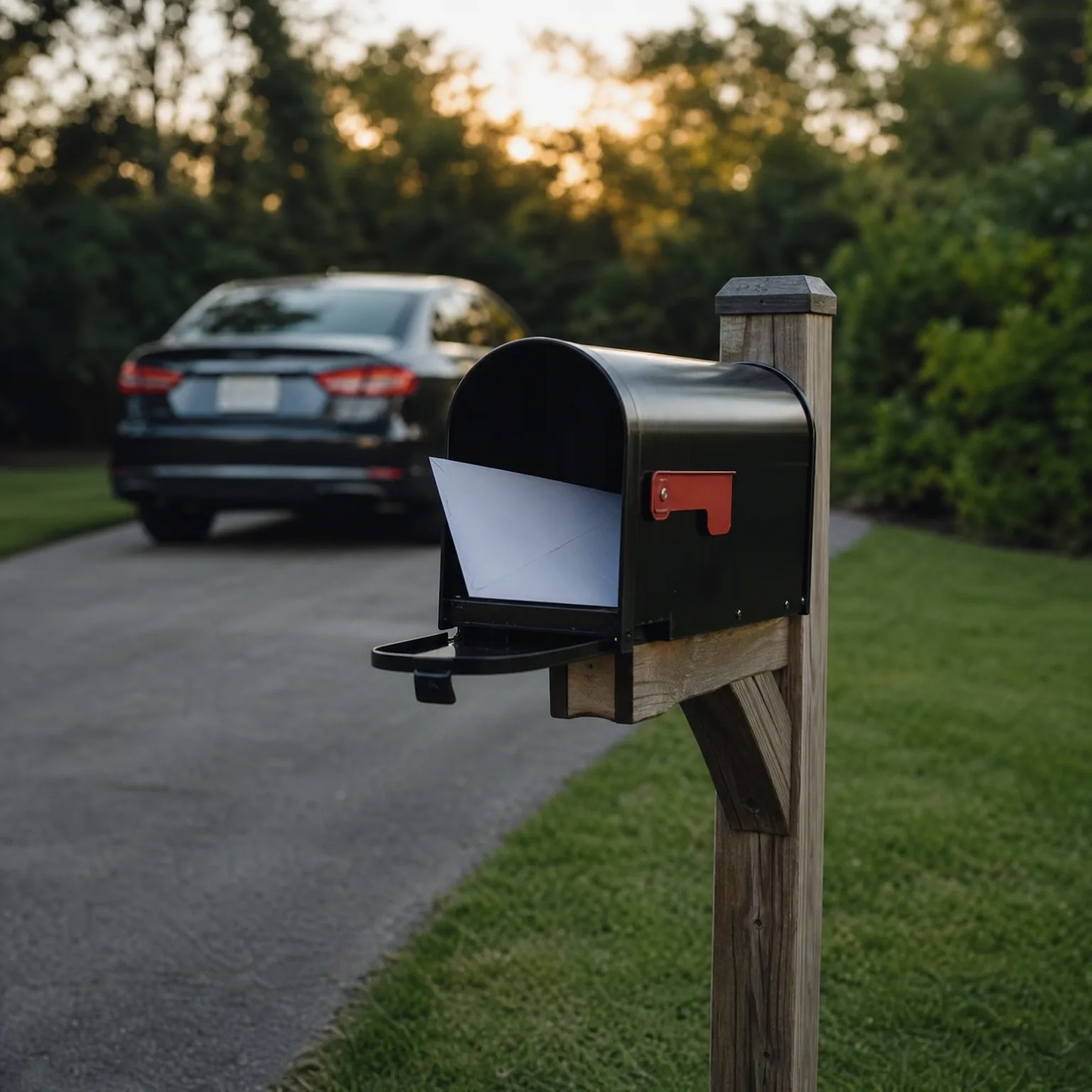
Michigan's FTA-release process is electronic and fast between the court and the Secretary of State, but the license reinstatement itself is manual and fee-gated. The SOS cannot reinstate your license until you pay the $125 fee in person at a branch office or online through the SOS portal. The payment triggers the final administrative step that clears your driving record.
If you check your license status online immediately after your court hearing, you may still see "suspended - failure to appear" for 24 to 48 hours while the electronic release propagates through the system. Once the release posts, your status will change to "eligible for reinstatement" or "suspended - unpaid fees." This is the moment you can pay the reinstatement fee. Until you pay, your license remains invalid.
Driving on an "eligible for reinstatement" status is still driving on a suspended license under MCL 257.904. Officers do not distinguish between "suspended" and "eligible for reinstatement" at roadside. If you are stopped before paying the reinstatement fee, you face a new misdemeanor charge with up to 93 days in jail and a $500 fine.
Michigan's BAIID Requirement for Underlying Uninsured or OWI Citations
If your original missed-court citation was for operating without insurance (MCL 257.328) or for OWI (MCL 257.625), the Secretary of State may require installation of a Breath Alcohol Ignition Interlock Device (BAIID) as a condition of reinstatement. This requirement is offense-specific, not FTA-specific. The FTA hold itself does not trigger BAIID, but the underlying offense might.
For uninsured-driving citations, BAIID is not typically required unless the case also involved alcohol or drugs. For OWI citations, BAIID is mandatory for restricted license reinstatement under MCL 257.625k. If you missed court for an OWI citation and are now clearing the FTA hold, you will need to complete a substance abuse evaluation, petition the Driver Assessment and Appeal Division (DAAD) for a restricted license, and install BAIID before any driving privileges are restored.
The court appearance clears the FTA hold only. The BAIID requirement, if applicable, is imposed by the Secretary of State at the reinstatement stage, not by the court. Ask the SOS clerk whether BAIID is required when you pay your reinstatement fee. Installation costs $70 to $150, plus $60 to $80 per month for monitoring.

Get Back on the Road After a Missed Court Date
Get My Post-FTA Insurance Quote
SR-22 Filing When the Underlying Citation Was for Uninsured Driving
Michigan requires SR-22 financial responsibility filing for three years after reinstatement if your underlying citation was for operating without no-fault insurance. The SR-22 filing proves to the Secretary of State that you now carry Michigan no-fault coverage meeting minimum liability and PIP requirements.
You must secure a no-fault policy with SR-22 endorsement before the SOS will process your reinstatement. The carrier files the SR-22 certificate electronically to the state. Once filed, you pay the $125 reinstatement fee and your license is restored. If your SR-22 filing lapses at any point during the three-year period, the carrier notifies the SOS and your license is suspended again immediately.
Not all carriers write SR-22 policies for drivers with recent uninsured-operation convictions. Expect quotes in the $140 to $220 per month range for minimum no-fault coverage with SR-22 filing. Progressive, GEICO, Bristol West, and National General write SR-22 policies in Michigan. Standard carriers like Auto-Owners and Accident Fund may decline.

Walk-In Court Appearances vs. Scheduled Hearings in Michigan District Courts
Michigan district courts allow walk-in appearances for FTA warrant recalls in most counties, but the process varies by court. Detroit 36th District Court requires scheduled hearings for all FTA cases. Kent County and Oakland County district courts allow walk-ins during morning docket hours (typically 8:30 a.m. to 10:30 a.m.). Wayne County courts outside Detroit vary by location.
Call the district court clerk's office where your original citation was issued and ask whether they accept walk-in FTA recalls. If yes, arrive early (before 9 a.m.) and bring photo ID, the original citation number if you have it, and payment for all court fees. The clerk will check for an active warrant, confirm your identity, and place you on the docket for the next available judge.
If the court does not accept walk-ins, you must schedule a hearing. The clerk will give you a court date, typically two to four weeks out. You may be able to post bond to recall the warrant immediately while waiting for your hearing date. Bond amounts range from $100 to $500 depending on the underlying citation and how long the warrant has been active. If you post bond and attend your scheduled hearing, the bond is applied to your court fees.
How to Check Whether a Bench Warrant Is Active Before Walking Into Court
Michigan does not provide a statewide public warrant lookup system. Each county maintains its own warrant database, and most are not accessible online. You must call the district court where your citation was issued and ask the clerk whether an active bench warrant exists under your name and date of birth.
Some counties (Oakland, Macomb, Kent) allow warrant checks by phone without requiring you to appear in person. Wayne County courts outside Detroit typically require an in-person warrant check. Detroit 36th District Court requires scheduled hearings for all FTA cases, so a warrant check by phone is not useful there.
If you have reason to believe a warrant is active and you are concerned about arrest risk, consider retaining a local attorney to file a motion to recall the warrant and schedule a hearing in your absence. The attorney appears on your behalf, the judge recalls the warrant, and you attend a later hearing to resolve the underlying citation. This path costs $300 to $800 in attorney fees but eliminates arrest risk.
Frequently Asked Questions
Can I drive immediately after the judge recalls my Michigan FTA warrant?
No. Your license remains suspended until you pay the $125 reinstatement fee to the Michigan Secretary of State after the court electronically files the FTA release. The warrant recall clears the court hold but does not restore driving privileges. Driving before paying the reinstatement fee is operating on a suspended license under MCL 257.904.
How long does it take for Michigan courts to file the FTA release to the Secretary of State?
Most Michigan district courts transmit FTA releases electronically to the Secretary of State within 24 hours of warrant recall through the Michigan Judicial Information System. Some rural counties may take 48 to 72 hours. You can check your license status online at michigan.gov/sos to confirm the release has posted before paying the reinstatement fee.
Do I need SR-22 insurance to reinstate my Michigan license after an FTA suspension?
SR-22 filing is required only if your underlying missed-court citation was for operating without no-fault insurance. FTA suspensions for speeding tickets, parking violations, or other infractions do not require SR-22. The underlying offense determines the SR-22 requirement, not the FTA hold itself. Ask the Secretary of State clerk when you pay your reinstatement fee.
What happens if I miss my scheduled FTA hearing in Michigan after posting bond?
The court forfeits your bond, issues a new bench warrant, and adds a second failure-to-appear charge to your record. The second FTA compounds the original citation and typically results in higher fines and longer suspension periods. You must resolve both the original citation and the second FTA before the Secretary of State will reinstate your license.
Can I pay the Michigan Secretary of State reinstatement fee online after my FTA warrant is recalled?
Yes. Once the court's electronic FTA release posts to the Secretary of State system, you can pay the $125 reinstatement fee online at michigan.gov/sos using a debit or credit card. The online payment processes immediately and your license is reinstated within 24 hours. You can also pay in person at any SOS branch office.
Will my Michigan car insurance rates increase after an FTA suspension is cleared?
If your underlying citation was for a moving violation (speeding, reckless driving, uninsured operation), your rates will increase based on the conviction, not the FTA suspension itself. FTA holds do not independently affect insurance rates. Expect rate increases of 20 to 40 percent for minor moving violations, 60 to 100 percent for uninsured-operation convictions.
Related Articles

Michigan FTA Court Fees & License Reinstatement Cost
5/18/2026

Michigan Bench Warrant Recall to Reinstatement Timeline
5/18/2026

Michigan FTA Hold: Court Steps to Clear License Block
5/18/2026

Michigan FTA Suspension Insurance
5/29/2026

Illinois FTA Reinstatement: Court to Secretary of State
5/18/2026
FTA Reinstatement Fees: Court vs DMV Authority States
5/18/2026