
Timeline From Bench Warrant Recall to License Reinstatement in Texas
Free to compare
The bench warrant recall does not automatically lift the FTA hold at DPS
When a Texas municipal or justice court recalls your bench warrant after you appear, pay, or resolve the underlying citation, the court creates a clearance record. That record must reach the Texas Department of Public Safety Driver License Division separately before your driving privilege is restored. The warrant recall and the license hold are managed by different agencies with different timelines.
Most Texas courts transmit clearances electronically through the OmniBase system, which links local courts to DPS. Electronic transmissions typically post within 2 to 5 business days after the court processes your case disposition. Some smaller justice courts still mail paper clearances to DPS in Austin, extending the timeline to 7 to 14 days from the date the court stamps the clearance form.
You cannot pay the $125 reinstatement fee or schedule an in-person visit to a driver license office until DPS confirms receipt of the court clearance. The DPS online eligibility tool at texas.gov will display "not eligible for reinstatement" until the clearance posts to your record. Calling the court repeatedly does not speed the process — the court controls the transmission date, not DPS.

How to confirm the court transmitted your clearance to DPS
Ask the court clerk for a case disposition receipt or clearance confirmation at the time you resolve your FTA. This receipt typically includes a disposition date and a notice that the clearance will be sent to DPS electronically or by mail. The clerk cannot guarantee when DPS will post the clearance, but they can confirm the court's transmission method and date.
Check the DPS Driver License Eligibility & Status website at dps.texas.gov/driverlicense every 24 hours starting 2 business days after your court appearance. When DPS receives the clearance, the site will display "eligible for reinstatement" and list the required fee amount. If 7 business days pass without an update, call the DPS Driver License Customer Service line at 512-424-2600 and request a manual lookup of recent court transmissions.
If DPS confirms no clearance was received, return to the issuing court with your receipt and request a replacement transmission. Courts occasionally fail to transmit clearances due to data entry errors or case backlog. The court, not DPS, must correct the error.


Reinstatement fee payment and timeline to valid license
The $125 reinstatement fee is paid directly to DPS after your eligibility status updates. You can pay online through the DPS Driver License portal, by phone at 512-424-2600, or in person at any driver license office. Payment confirmation is immediate, but the system requires 1 to 2 business days to fully process and remove the suspension flag from your record.
If your physical driver license card expired while suspended, you must renew it separately after reinstatement. The reinstatement fee does not include renewal. Most Texas driver license offices accept walk-ins for renewals, but appointment wait times vary by location. Bring your payment receipt, court disposition paperwork, and two forms of identification.
If the underlying citation that triggered the FTA was for driving without insurance under Texas Transportation Code Section 601.191, DPS will also require you to file an SR-22 certificate of financial responsibility for 2 years from the reinstatement date. The SR-22 filing itself does not carry a DPS fee, but carriers charge $15 to $35 to process and transmit it electronically to DPS. You cannot complete reinstatement until the SR-22 posts to your record.

Get Back on the Road After a Missed Court Date
Get My Post-FTA Insurance QuoteWhat happens if you drive before the clearance posts at DPS
Texas law treats driving on a suspended license under Transportation Code Section 521.457 as a Class C misdemeanor for a first offense, carrying fines up to $500. The fact that you resolved the bench warrant and paid the underlying citation is not a defense if your license remains suspended in the DPS system at the time of the stop.
Officers verify license status in real time through the Texas Law Enforcement Telecommunications System (TLETS). If your FTA hold has not yet cleared from DPS, the officer will see an active suspension and issue a citation for Driving While License Invalid (DWLI). A second DWLI conviction within 12 months escalates to a Class B misdemeanor with fines up to $2,000 and possible jail time.
Wait until the DPS online tool confirms your eligibility, pay the reinstatement fee, and confirm the suspension flag is fully removed before driving. The gap between warrant recall and license restoration is typically 3 to 7 days — risking a new criminal charge to save a week of driving is not a defensible decision.

Compound suspensions: FTA plus the underlying unpaid ticket
If your original citation went unpaid for more than 30 days before you missed court, the underlying fine may have triggered a separate Failure to Pay (FTP) suspension under Texas Transportation Code Section 706.006. The FTA hold and the FTP hold are independent suspension actions. Clearing the bench warrant resolves the FTA hold, but you must also pay the original fine or arrange a payment plan with the court to lift the FTP hold.
DPS will not reinstate your license until both holds are cleared. The DPS eligibility tool will display "multiple suspensions" if both are active. Call the issuing court and ask for a full account statement showing all outstanding fines, holds, and required clearances. Courts often bundle FTA and FTP resolution into a single disposition when you appear, but some municipal courts require separate payment transactions.
If the original citation was for a moving violation like speeding or running a stop sign, the conviction will post to your driving record after you resolve the FTA. Texas uses a point system under Transportation Code Section 708.052: 2 points for most moving violations, 3 points for violations resulting in a crash. Accumulating 6 points in 3 years triggers a separate suspension, but this is rare for single-ticket FTA cases.

Insurance after reinstatement: SR-22 required for specific underlying citations only
SR-22 filing is not universally required after FTA suspension. It depends on the underlying citation. If your FTA was for driving without valid insurance, no valid driver license, or certain DWI-related offenses, Texas Transportation Code Section 601.153 requires you to maintain SR-22 coverage for 2 years from reinstatement.
If your FTA was for a non-insurance violation like speeding, expired registration, or failure to signal, SR-22 is not required. You can reinstate with proof of any valid liability policy meeting Texas minimums: $30,000 bodily injury per person, $60,000 per accident, and $25,000 property damage. Most carriers writing standard auto policies in Texas can issue this coverage immediately.
When SR-22 is required, expect monthly premiums in the range of $140 to $220 for minimum liability coverage through non-standard carriers like Dairyland, GAINSCO, or Direct Auto. Standard carriers like State Farm and Geico typically decline SR-22 applications from drivers with recent license suspensions. Shop quotes from at least three carriers before selecting one — post-FTA reinstatement insurance rates vary significantly by underwriter and county.
Frequently Asked Questions
How long does it take for a Texas court to send FTA clearance to DPS?
Most Texas courts transmit FTA clearances electronically through OmniBase within 2 to 5 business days after processing your case disposition. Smaller justice courts that mail paper clearances to DPS in Austin may take 7 to 14 days. The court controls the transmission timeline, not DPS.
Can I pay the Texas reinstatement fee before the court clearance posts?
No. DPS will not accept reinstatement payment until the court clearance posts to your record and your eligibility status updates to "eligible for reinstatement" on the DPS online tool. Attempting to pay before clearance results in a system error.
What happens if DPS never receives my court clearance after FTA resolution?
Return to the issuing court with your case disposition receipt and request a replacement transmission. Courts occasionally fail to transmit clearances due to data entry errors or backlog. The court, not DPS, must correct the transmission failure. DPS cannot lift the hold without court confirmation.
Do I need SR-22 after a Texas FTA suspension for a speeding ticket?
No. SR-22 is required only if the underlying citation was for driving without insurance, no valid license, or certain DWI-related offenses. FTA for speeding, expired registration, or other non-insurance violations does not trigger SR-22 filing requirements under Texas Transportation Code Section 601.153.
Can I drive in Texas after the bench warrant is recalled but before DPS updates?
No. Driving while your license remains suspended in the DPS system is a Class C misdemeanor under Texas Transportation Code Section 521.457, even if you resolved the bench warrant and paid the citation. Officers verify suspension status in real time through TLETS and will cite you for DWLI if the hold has not cleared.
How do I check if my Texas FTA hold also triggered a Failure to Pay suspension?
Log in to the DPS Driver License Eligibility & Status tool at dps.texas.gov/driverlicense. If multiple suspensions are active, the tool will display "multiple suspensions" or list both FTA and FTP holds separately. Call the issuing court at 512-424-2600 for a full account statement showing all outstanding holds and required clearances.
Related Articles
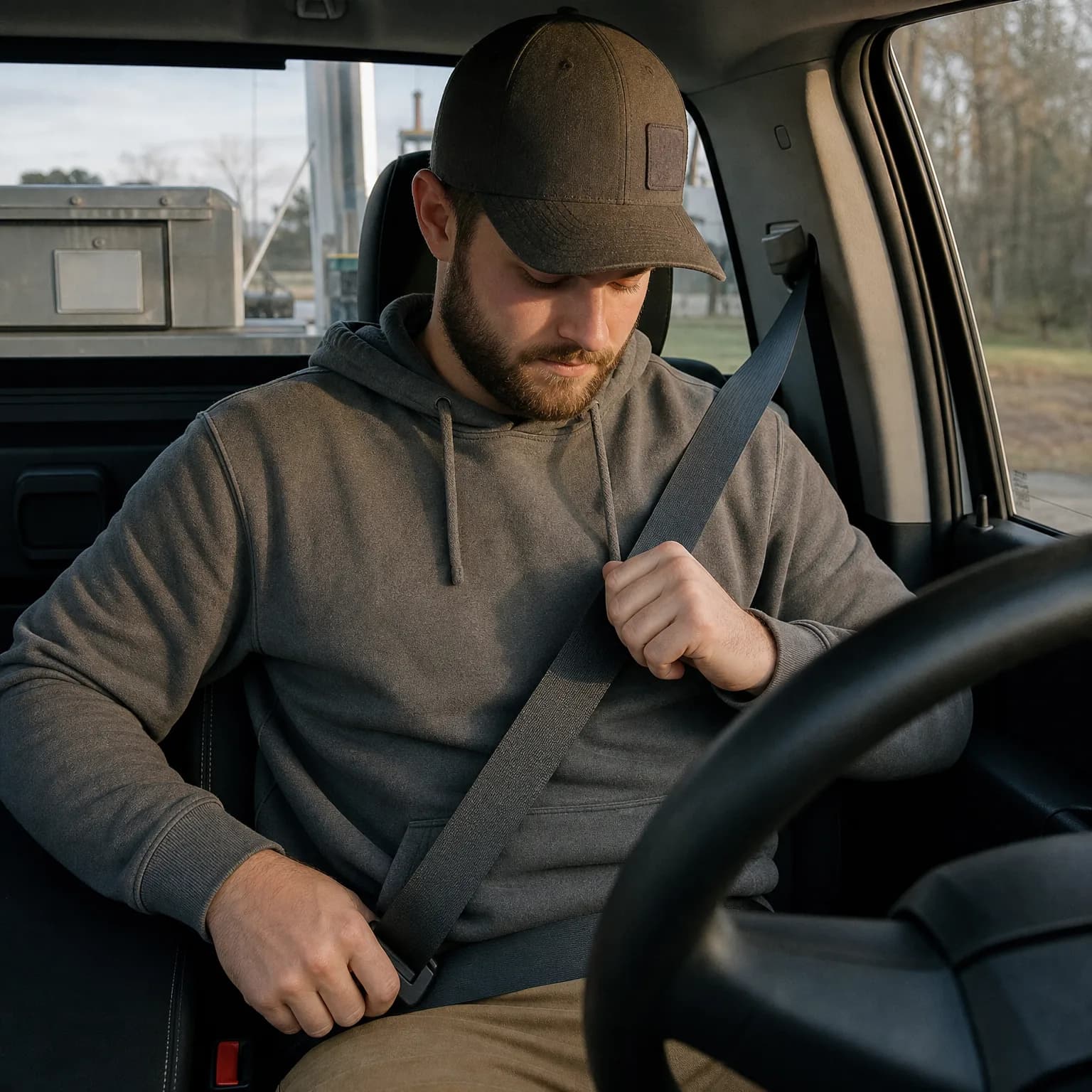
Bench Warrant Recall to Reinstatement Timeline
5/18/2026

Texas FTA Recall: Court to DPS License Reinstatement
5/18/2026
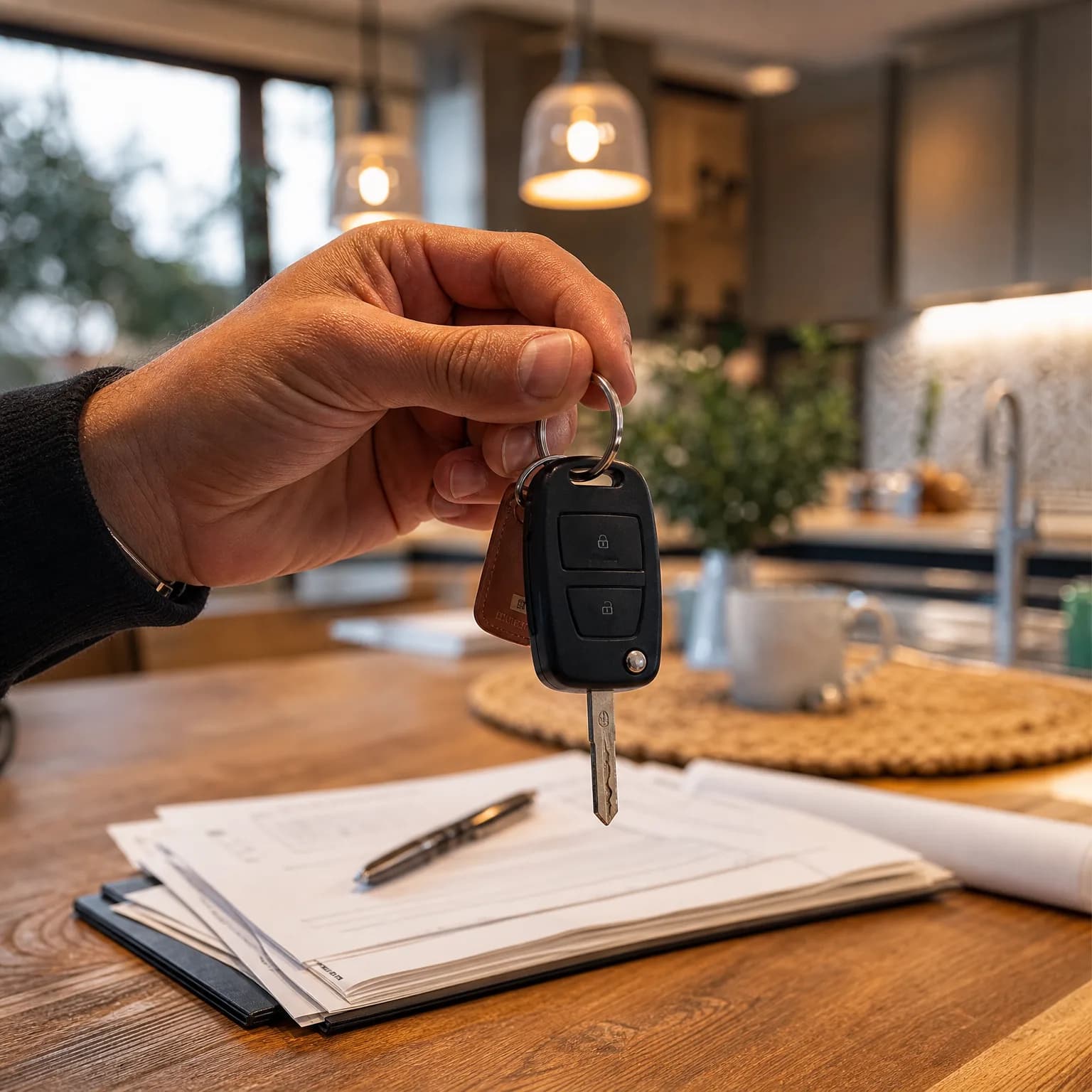
Bench Warrant Recall Motion: Filing Sequence Explained
5/18/2026

Out-of-State Bench Warrant in Texas: Mail vs Court
5/18/2026

Misdemeanor FTA Bench Warrant Texas: When It Goes Active
5/18/2026

Clear Texas FTA Hold Without Court Appearance?
5/18/2026