
Delaware Bench Warrant Recall to Legal Driving: Full Timeline
Free to compare
What Actually Happens When You Clear a Delaware Bench Warrant
Delaware courts recall bench warrants when you appear in person or file a motion through an attorney. The recall itself takes 1-3 business days once you've satisfied the court. But the recall does not trigger an automatic DMV notification.
The court releases the warrant from its own system. The Delaware DMV's Driver Services Division maintains a separate FTA hold that remains active until you submit a clearance request directly to DMV. Most drivers assume the license suspension lifts when the warrant clears. It does not.
You must request FTA hold removal in writing at a DMV office or by mailing certified court documentation showing the warrant was recalled and the underlying citation was resolved. Without that step, the suspension remains active even if the bench warrant no longer appears in court records.
Timeline From Warrant Recall to DMV Release
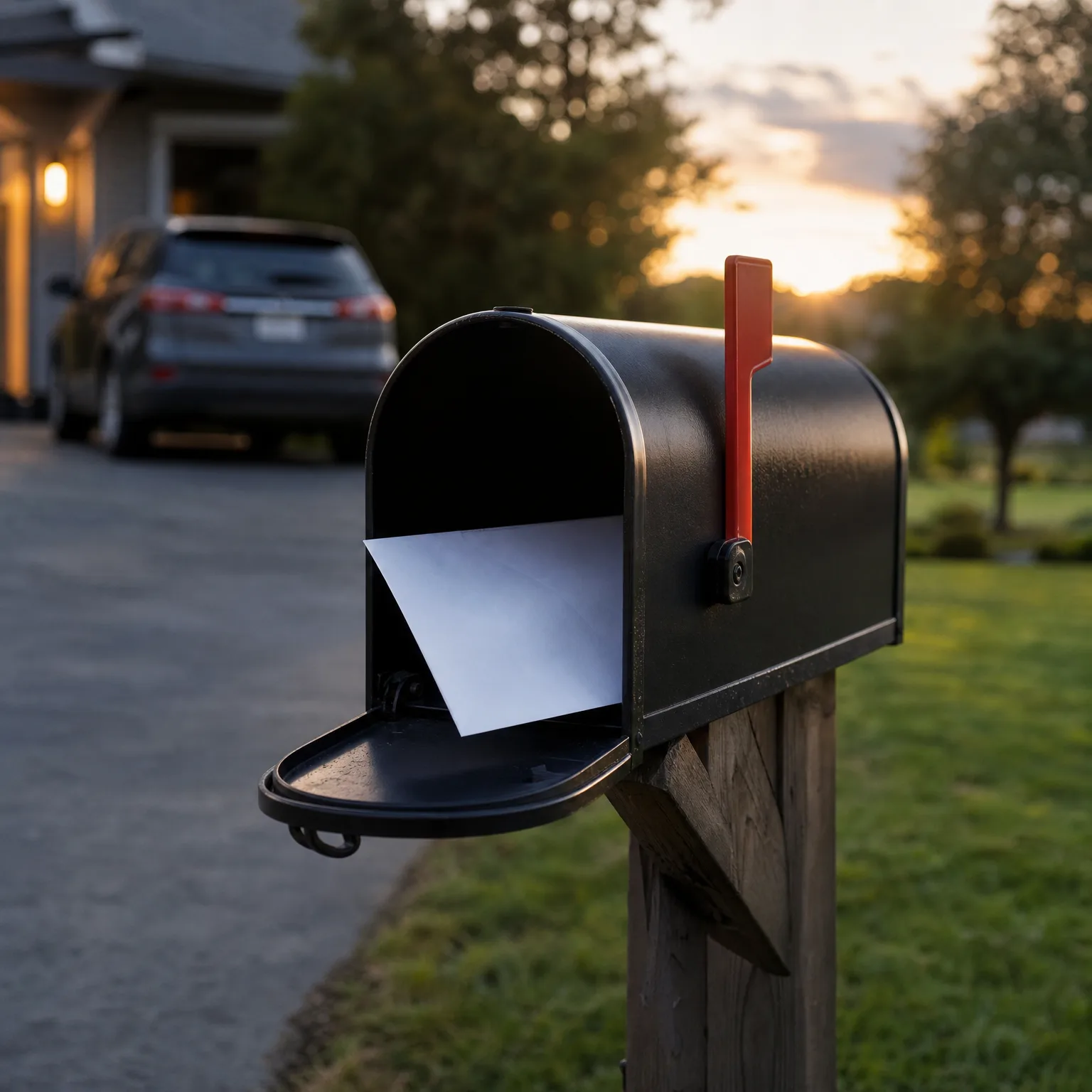
Once the court recalls your bench warrant, you have three pathways to clear the DMV hold. In-person filing at a Delaware DMV office typically clears the hold within 3-5 business days. You bring certified court documents showing the warrant recall and the disposition of the underlying citation.
Mailed submissions to the Delaware DMV Driver Services Division at 303 Transportation Circle, Dover, DE 19901 take 7-14 business days once received. Use certified mail with tracking. The DMV processes clearance requests in order of receipt, and delays are common during high-volume periods.
If your underlying citation was for driving without insurance or a repeat moving violation, the court may require you to file SR-22 proof of financial responsibility before the DMV will release the hold. This adds 2-5 days to the clearance timeline depending on how quickly your insurer files the SR-22 certificate electronically.
The total timeline from warrant recall to legal driving ranges from 5 days at best to 21 days if you mail documents and the underlying offense requires SR-22 filing. The clearance request itself is the bottleneck. Delaware does not offer same-day administrative reinstatement for FTA suspensions.

Delaware's Conditional License Availability During FTA Suspension
Delaware offers a Conditional License for certain suspension types, but FTA holds are typically excluded during the warrant-active period. Once the bench warrant is recalled and you've filed the clearance request with DMV, you may apply for conditional driving privileges if your underlying suspension qualifies.
Conditional License eligibility depends on what triggered the original citation you missed court for. DUI-related FTA suspensions require completion of an ignition interlock program before conditional privileges are granted. Points-related FTA suspensions may qualify for conditional privileges immediately after warrant recall, subject to DMV approval and proof of employment or essential need.
The application fee for a Conditional License in Delaware has not been verified with high confidence from a canonical DMV source and should be confirmed directly with Delaware DMV Driver Services before filing. You must submit proof of employment or essential need, an SR-22 insurance certificate if required for your underlying offense, and a completed conditional license application. Additional documentation may be required depending on the suspension type.
Conditional License routes are restricted to essential purposes: work, school, medical appointments, and other court- or DMV-approved destinations. Delaware requires ignition interlock installation for DUI-related suspensions even when conditional privileges are granted. Violating route restrictions or driving outside approved hours triggers automatic revocation of the conditional license and extends your total suspension period.

Get Back on the Road After a Missed Court Date
Get My Post-FTA Insurance QuoteWhat It Costs to Clear the Hold and Reinstate
Delaware charges a $25 reinstatement fee once the FTA hold is released. This fee is separate from any court costs, fines, or bond amounts paid to recall the warrant. If your underlying citation was for an uninsured driving offense, you must also cover the cost of SR-22 insurance filing, which typically adds $15-$25 annually to your premium depending on the carrier.
Court costs for warrant recall vary by the county where the original citation was issued. New Castle County typically charges $50-$150 in administrative fees. Kent and Sussex counties range from $40-$120. If you file a motion to recall the warrant through an attorney rather than appearing in person, legal fees typically range from $300-$600 for straightforward FTA cases without underlying criminal charges.
If your license was suspended for multiple overlapping reasons, for example an FTA hold plus an unpaid-fine suspension once the warrant is recalled, you may face additional reinstatement fees for each separate suspension type. Delaware's multi-tier suspension structure means each administrative hold is cleared independently. The total cost stack for a multi-hold reinstatement can reach $200-$400 before insurance costs.

How the Underlying Citation Affects Your Insurance Requirement
Delaware requires SR-22 filing for uninsured driving suspensions and certain DUI-related offenses. If your FTA hold stemmed from a missed court date for a speeding ticket or other moving violation without an insurance component, SR-22 is typically not required for reinstatement. The underlying citation determines the downstream insurance requirement, not the FTA itself.
If your original citation was for driving without insurance, Delaware mandates SR-22 proof of financial responsibility for 3 years from the reinstatement date. Your insurer files the SR-22 certificate electronically with the Delaware DMV. Most carriers charge a one-time filing fee of $15-$25, and your premiums typically increase by 20-40% during the filing period.
Non-owner SR-22 policies cover drivers who do not own a vehicle but need to maintain proof of financial responsibility for reinstatement. These policies cost approximately $30-$60/month in Delaware and satisfy the state's SR-22 requirement while providing liability coverage when you drive a borrowed or rented vehicle. Once your 3-year filing period ends, you can switch to standard minimum liability coverage without the SR-22 endorsement.
If your underlying citation did not involve insurance, uninsured driving, or DUI, you can typically reinstate with standard minimum liability coverage once the FTA hold is cleared. Delaware's minimum required coverage is $25,000 bodily injury per person, $50,000 bodily injury per accident, and $10,000 property damage. Verify your specific requirement with Delaware DMV before purchasing a policy.
What Delays the Timeline Most Often
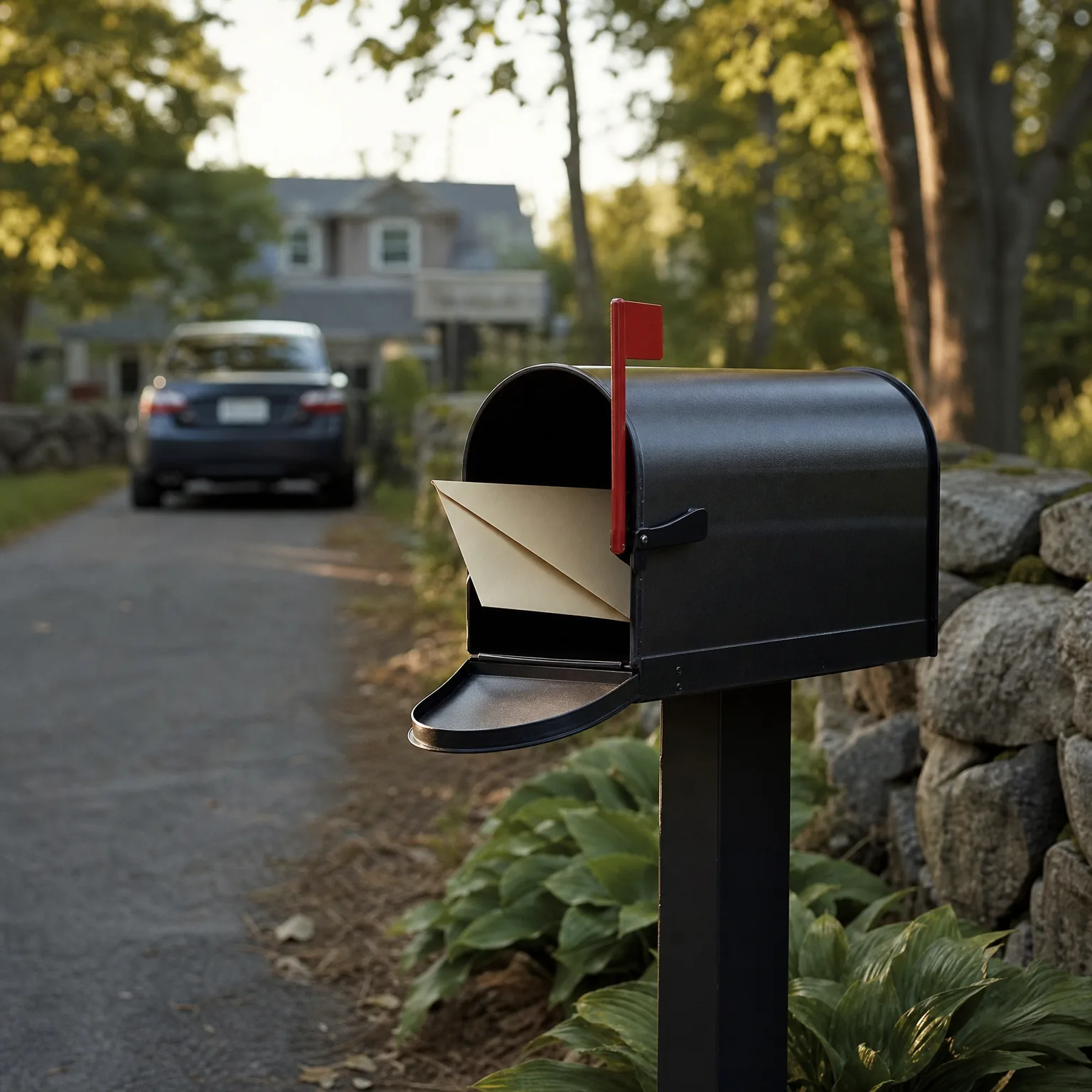
Incomplete court documentation is the most common delay. Delaware DMV requires certified copies of both the warrant recall order and the disposition of the underlying citation. Photocopies and non-certified documents are rejected. If you mail documents without certification, the DMV returns them without processing and your timeline resets.
Missing the SR-22 filing requirement delays clearance by 7-14 days on average. If your underlying offense requires proof of financial responsibility but you submit only court documents, the DMV places your clearance request on hold until the SR-22 certificate is filed electronically by your insurer. Confirm whether SR-22 is required before submitting your clearance request.
High-volume processing periods at Delaware DMV, typically late summer and early fall, extend mailed clearance timelines by an additional 5-10 business days. In-person filing at a DMV office bypasses this delay but requires scheduling an appointment through Delaware DMV's online portal. Walk-in service is limited and wait times can exceed 3 hours during peak periods.
If you moved out of Delaware after the FTA suspension was issued, the clearance process becomes more complex. Delaware will not release the hold until you resolve the underlying citation in Delaware courts, even if you now hold a license in another state. Interstate compact rules mean the new state's DMV will block renewal or reinstatement until Delaware clears the FTA hold from the National Driver Register.
Frequently Asked Questions
Can I drive in Delaware while waiting for the FTA hold to clear after the warrant is recalled?
No. The license suspension remains active until the Delaware DMV processes your clearance request and releases the FTA hold. Driving during this period is considered driving under suspension, a misdemeanor in Delaware with mandatory fines and potential jail time. Wait for written confirmation from DMV before driving.
What happens if I ignore a Delaware bench warrant and move to another state?
Delaware reports the FTA suspension to the National Driver Register. When you apply for a license in the new state, the DMV will deny your application until Delaware clears the hold. Most states will not issue a license to an applicant with an active out-of-state suspension or warrant. You must resolve the Delaware warrant and FTA hold before any state will license you.
Does Delaware charge separate fees for the warrant recall and the FTA hold release?
Yes. The court charges fees to recall the bench warrant, typically $40-$150 depending on the county. The Delaware DMV charges a separate $25 reinstatement fee once the FTA hold is cleared. If you also owe fines on the underlying citation, those are billed separately by the court. The total cost depends on how many separate holds and fees apply to your case.
How do I check if my Delaware bench warrant has been recalled?
Contact the court clerk in the county where the original citation was issued. Delaware courts maintain separate warrant databases by county. You can also check online through Delaware's Criminal Justice Information System portal, but not all counties update this system in real time. For same-day confirmation, call the court clerk directly.
Can I apply for a Delaware Conditional License before the FTA hold is cleared?
Typically no. Delaware DMV requires the FTA hold to be released before processing Conditional License applications. Once the hold is cleared and you've paid the reinstatement fee, you may apply for conditional driving privileges if your underlying suspension qualifies. DUI-related suspensions require ignition interlock enrollment before conditional privileges are granted.
What if my original Delaware citation was for driving without insurance?
Delaware will require SR-22 proof of financial responsibility for 3 years from your reinstatement date. You must purchase an SR-22 policy before the DMV will release the FTA hold. Your insurer files the SR-22 certificate electronically, which typically takes 2-5 business days. Without the SR-22 on file, the DMV will not process your clearance request even after the bench warrant is recalled.
Where do I submit court documents to clear the Delaware FTA hold?
Mail certified court documents to Delaware DMV Driver Services Division, 303 Transportation Circle, Dover, DE 19901, or file in person at any Delaware DMV office. In-person filing clears the hold faster, typically 3-5 business days. Mailed submissions take 7-14 business days once received. Use certified mail with tracking if you mail documents.
Related Articles
Bench Warrant Recall to License Reinstatement Timeline DE
5/18/2026

FTA Hold in Delaware: Court Steps to Clear & Reinstate
5/18/2026

Bench Warrant Recall Motion: Filing Sequence Explained
5/18/2026

Bench Warrant Recall to Reinstatement Timeline
5/18/2026

Bench Warrant Recall Hearing Timeline: Filing to Date
5/18/2026
Bench Warrant Recall to Reinstatement Timeline in Maine
5/18/2026