
Michigan Bench Warrant Recall to License Reinstatement Timeline
Free to compare
What Happens the Day You Recall Your Michigan Bench Warrant
You appear at the court that issued the bench warrant for your missed traffic citation. The judge or magistrate recalls the warrant, addresses the underlying citation (you pay the fine, accept points, or schedule a hearing), and the clerk stamps your paperwork. Your license is still suspended when you walk out.
Michigan's Secretary of State holds the FTA suspension until the court electronically transmits a clearance notification. That transmission does not happen at the hearing. Most Michigan district courts batch-process FTA clearances once or twice per week through the Law Enforcement Information Network (LEIN), the statewide criminal justice database. The transmission window is 3-7 business days in Wayne, Oakland, Macomb, Kent, and Washtenaw counties based on court administrative calendars. Smaller county courts may transmit weekly, extending the window to 14 days.
The underlying citation matters for what happens next. If your missed court date was for an uninsured-operation citation under MCL 257.328, the Secretary of State requires SR-22 financial responsibility filing before reinstatement even after the FTA hold lifts. If the citation was speeding, red light, or another moving violation that does not carry an insurance mandate, you pay the $125 reinstatement fee and the suspension clears once the FTA release posts.

How Long the Secretary of State Takes to Process the FTA Clearance
Once the court transmits the FTA clearance through LEIN, the Secretary of State's driver records unit posts the clearance to your driving record. That internal posting timeline is 2-5 business days statewide. The SOS does not notify you when the clearance posts—you check your driving record online through the Michigan.gov/SOS portal or visit a branch office.
Total calendar time from warrant recall to driving-record clearance: 5-19 business days depending on the county court's transmission schedule and SOS processing load. Urban counties with daily or twice-weekly LEIN transmission batches cluster at the low end. Rural counties with weekly court administrative sessions cluster at the high end.
The reinstatement fee of $125 is due after the clearance posts but before the suspension formally lifts. You cannot drive legally until both the clearance posts and the fee is paid. Some branch offices accept same-day payment and issue clearance on the spot if you appear in person with the court paperwork showing the warrant recall and citation resolution. Online reinstatement through Michigan.gov/SOS processes in 1-3 business days after payment.

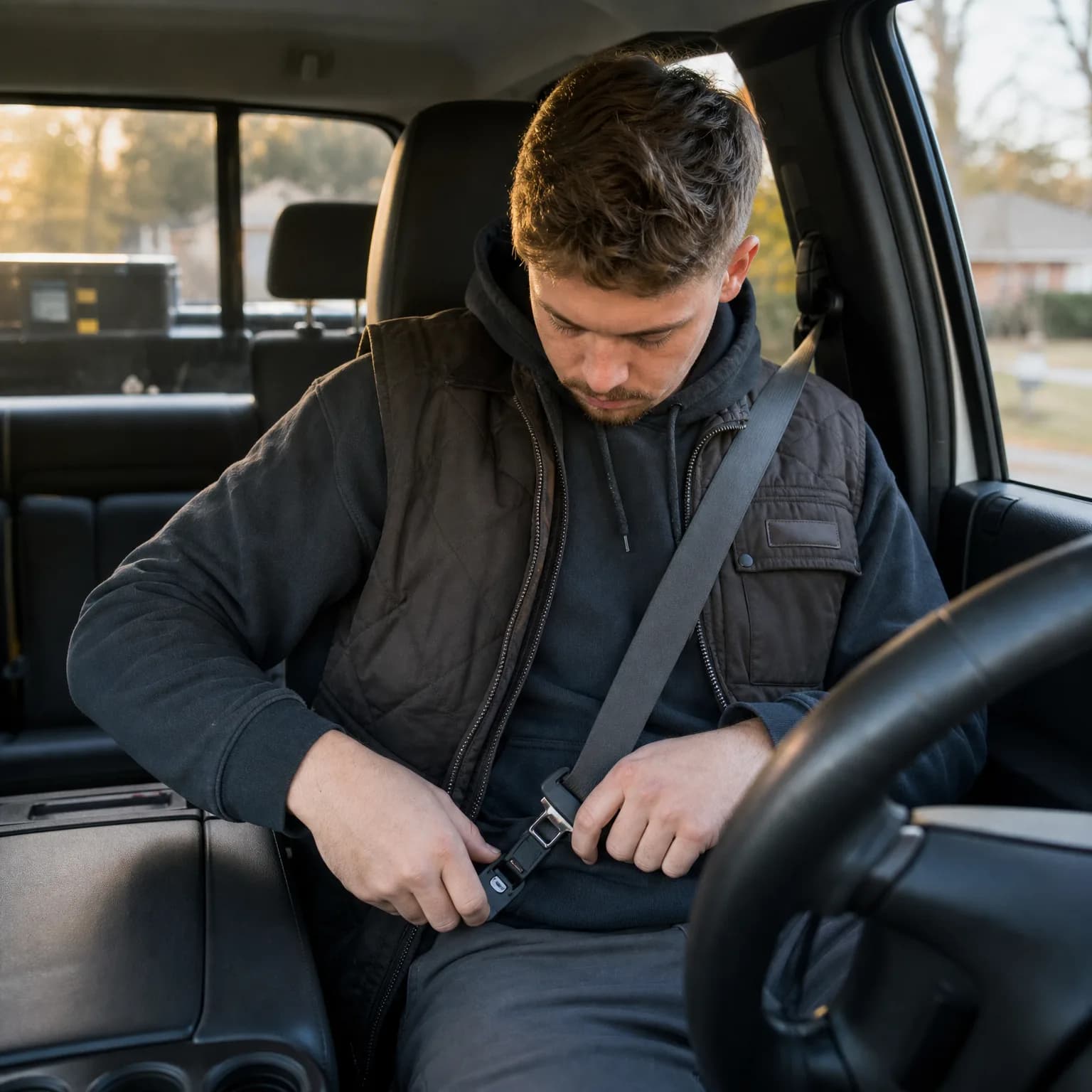
When the Underlying Citation Adds SR-22 Filing Requirements
Michigan distinguishes between FTA-only suspensions and compound suspensions where the underlying citation independently triggers insurance filing requirements. If your missed court date was for operating without no-fault insurance (MCL 257.328 conviction), the Secretary of State requires SR-22 filing maintained for 3 years from the reinstatement date. The FTA clearance alone does not satisfy that requirement.
The SR-22 filing must be active before you submit the reinstatement fee. Non-standard carriers writing Michigan SR-22 policies include Progressive, Geico, Bristol West, Direct Auto, and National General. Monthly premiums for SR-22 coverage after an uninsured-operation conviction in Michigan range $140-$220 for minimum liability limits plus the state-mandated Personal Injury Protection (PIP) tier you select under Michigan's 2019 no-fault reform.
If the citation was a moving violation without insurance mandate—speeding, failure to yield, improper lane use—SR-22 is not required. You pay the $125 reinstatement fee, and the suspension lifts once the FTA clearance posts and the fee processes. Drivers who assume SR-22 is universally required for any suspension overspend on premiums they do not legally need.
The Restricted License Path During the FTA Clearance Window
Michigan does not issue restricted licenses while an FTA hold is active. The Secretary of State's administrative rules block restricted-license applications for any suspension with an outstanding court hold. You must resolve the bench warrant and wait for the FTA clearance to post before applying for a restricted license if your underlying suspension (beyond the FTA) qualifies for one.
If your FTA was the only suspension cause—no OWI revocation, no habitual offender status, no unpaid child support—restricted licensing is not relevant. You wait for the clearance and pay the fee. If your record carries a separate OWI revocation or points-related suspension that outlasts the FTA clearance timeline, you apply for a restricted license through the Driver Assessment and Appeal Division (DAAD) after the FTA clears. The DAAD does not accept petitions with active court holds.
The timeline distinction matters: FTA clearance is administrative (5-19 business days). DAAD restricted-license petitions for revocations take 60-90 days from hearing to decision. Do not conflate the two processes. The FTA clears quickly if you appear and resolve the warrant. A revocation requires formal adjudication.

Get Back on the Road After a Missed Court Date
Get My Post-FTA Insurance Quote
What to Do the Day After Your Court Appearance
Request a certified copy of the warrant recall order and citation disposition from the court clerk before you leave the courthouse. That document proves the case is resolved if the Secretary of State's clearance posting is delayed or if you need to demonstrate compliance to an employer or probation officer. Michigan district courts charge $5-$10 for certified copies.
Check your driving record online at Michigan.gov/SOS daily starting 3 business days after the court appearance. The record will show "FTA suspension pending clearance" until the court transmits the release. Once the clearance posts, the record updates to "reinstatement fee due" or "insurance compliance required" depending on your underlying citation.
If 10 business days pass without the clearance posting, contact the court clerk's office to verify the LEIN transmission was completed. Clerk error—failing to enter the recall into the case management system that feeds LEIN—is the most common cause of delayed clearances. The court must correct the error and retransmit. The Secretary of State does not accept faxed or mailed clearance notifications from drivers. The transmission must come from the court through LEIN.

Cost Stack From Bench Warrant to Full Reinstatement
The full cost to go from active bench warrant to legal driving includes court fees, the underlying citation fine, and Secretary of State reinstatement fees. Court appearance fees for warrant recall range $50-$150 depending on whether the warrant was misdemeanor or civil infraction status. The underlying citation fine depends on the violation—$130-$200 for most moving violations, $200-$500 for uninsured operation.
The Secretary of State's $125 reinstatement fee is mandatory for all FTA suspensions. If SR-22 filing is required, add $25-$50 for the SR-22 processing fee charged by the carrier, plus the elevated premium cost. Monthly premiums for minimum liability with SR-22 in Michigan average $140-$220. Over the 3-year filing period, that totals $5,040-$7,920 compared to $1,800-$3,600 for standard non-SR-22 coverage.
Total immediate out-of-pocket cost from warrant recall to reinstatement: $305-$875 (court fees, citation fine, reinstatement fee). If SR-22 is required, add first-month premium and filing fee before you can submit the reinstatement payment. Budget for the full stack before the court appearance. Partial payment plans for the citation fine do not lift the FTA hold—the court must mark the case resolved or continued under compliance before transmitting the clearance.
Insurance After Michigan FTA Reinstatement
Once your license is reinstated, the coverage you need depends on the underlying citation that triggered the missed court date. If the citation was uninsured operation, you maintain SR-22 filing for 3 years. If it was a moving violation without insurance mandate, you return to standard Michigan auto insurance with no elevated filing requirement.
Michigan's no-fault system requires Personal Injury Protection (PIP) coverage in addition to the state minimum liability limits of $50,000 per person, $100,000 per accident bodily injury, and $10,000 property damage. Post-2019 reform, you select a PIP tier: unlimited medical (legacy default), $500,000, $250,000, $50,000, or opt-out if you have qualifying health insurance. The PIP tier choice affects your premium more than the SR-22 filing itself in most counties.
Carriers writing post-reinstatement coverage in Michigan include State Farm, Geico, Progressive, Auto-Owners, and Farmers for drivers without SR-22 requirements. Bristol West, Direct Auto, and National General write SR-22 policies for uninsured-operation reinstatements. Shop quotes with your reinstatement confirmation and proof that the FTA hold is cleared—some carriers price based on suspension length, and an FTA suspension resolved within 60 days of the original court date may not trigger the highest-tier surcharge.
Frequently Asked Questions
Can I drive in Michigan the same day my bench warrant is recalled?
No. Your license remains suspended until the court transmits the FTA clearance to the Secretary of State and you pay the $125 reinstatement fee. That process takes 5-19 business days from the court appearance depending on the county's transmission schedule.
How do I check if my Michigan FTA clearance has posted?
Log into Michigan.gov/SOS and view your driving record. The record will update from "FTA suspension pending clearance" to "reinstatement fee due" once the court transmits the clearance through LEIN. Check daily starting 3 business days after your court appearance.
Does every Michigan FTA suspension require SR-22 filing?
No. SR-22 is required only if the underlying citation you missed court for was an uninsured-operation conviction under MCL 257.328. If the citation was speeding, red light, or another moving violation without insurance mandate, you pay the reinstatement fee and no SR-22 is required.
What happens if the Michigan court never sends my FTA clearance to the Secretary of State?
Contact the court clerk's office if 10 business days pass without the clearance posting to your driving record. Clerk data-entry error is the most common cause. The court must retransmit through LEIN—drivers cannot submit clearance paperwork directly to the Secretary of State.
Can I apply for a Michigan restricted license while the FTA hold is active?
No. The Secretary of State blocks restricted-license applications for any suspension with an outstanding court hold. You must resolve the bench warrant and wait for the FTA clearance to post before applying for a restricted license if your record carries a separate qualifying suspension.
How much does Michigan FTA reinstatement cost total?
Court fees for warrant recall run $50-$150, the underlying citation fine averages $130-$500, and the Secretary of State reinstatement fee is $125. Total immediate cost: $305-$875. If SR-22 filing is required, add first-month premium ($140-$220) and filing fee ($25-$50) before reinstatement.
Related Articles

Michigan FTA Recall Process: Court to License Restored
5/18/2026

Michigan FTA Court Fees & License Reinstatement Cost
5/18/2026

Michigan FTA Hold: Court Steps to Clear License Block
5/18/2026

Clear Misdemeanor FTA License Suspension | Court Steps
5/18/2026

Bench Warrant Recall Motion: Filing Sequence Explained
5/18/2026

Bench Warrant Recall to Reinstatement Timeline
5/18/2026