
Walk-In Court Appearance Risk: Bench Warrant and FTA Holds
Free to compare
What Happens When You Walk Into Court With an Active Bench Warrant
If you walk into the courthouse where your warrant was issued during regular business hours for a traffic-related failure-to-appear, most clerks will direct you to the traffic window or calendar clerk to schedule a hearing or pay the underlying citation. Arrest at the counter is uncommon for misdemeanor traffic warrants when you self-surrender during court hours. Judges and clerks prefer resolution over detention for minor matters, and the system assumes good faith when you show up voluntarily.
The calculus changes completely if you appear after hours, at a different courthouse than the issuing jurisdiction, or during a warrant sweep period. Sheriff's deputies and bailiffs operate under different protocols than court clerks. If you show up at a courthouse in County B for an unrelated matter while holding an active FTA warrant from County A, the deputy running your ID will see the hold and may detain you until County A decides whether to extradite or release. Most counties do not extradite for traffic FTA warrants, but the detention window can last hours or overnight.
Felony FTA warrants carry mandatory arrest regardless of when or where you appear. Traffic infraction and misdemeanor FTA warrants are discretionary. The issuing judge set the warrant terms, and those terms control whether law enforcement must arrest or may release on your own recognizance. Some judges issue "no-bail" warrants for FTA even on traffic matters, which means mandatory booking. Others issue "appear" warrants, which allow walk-in resolution. You cannot know which type you hold without calling the court clerk or checking the county's online warrant database.

How to Check Your Warrant Status Before Showing Up
Most county courts maintain an online case lookup tool that shows whether a bench warrant is active on your case. Search by name and date of birth or citation number. The case docket will list "warrant issued" with a date if one is active. Some jurisdictions label the warrant type: "failure to appear," "bench warrant — traffic," or "capias." If the docket shows "warrant recalled" or "quashed," the warrant is no longer active and you can appear without arrest risk.
If the online system does not display warrant status, call the clerk's office during business hours. Do not identify yourself by name initially. Ask the general question: "How do I check if there is a warrant on a case?" Once the clerk explains the process, provide your case number or name. Clerks will tell you if a warrant is active, the warrant type, and whether it is bondable. Bondable warrants allow you to post bail immediately upon appearance and avoid booking. Non-bondable warrants require you to see the judge before release.
Some drivers assume the DMV can tell them if a warrant caused their FTA suspension. The DMV can confirm an FTA hold exists, but the DMV does not have access to the court's warrant database. The suspension notice will reference the citation number and court jurisdiction. Use that information to contact the issuing court directly. Never rely on a suspension notice alone to determine warrant status — the notice reflects the license hold, not the warrant.
Walk-In Appearance vs Scheduled Hearing: Which Path Reduces Arrest Risk
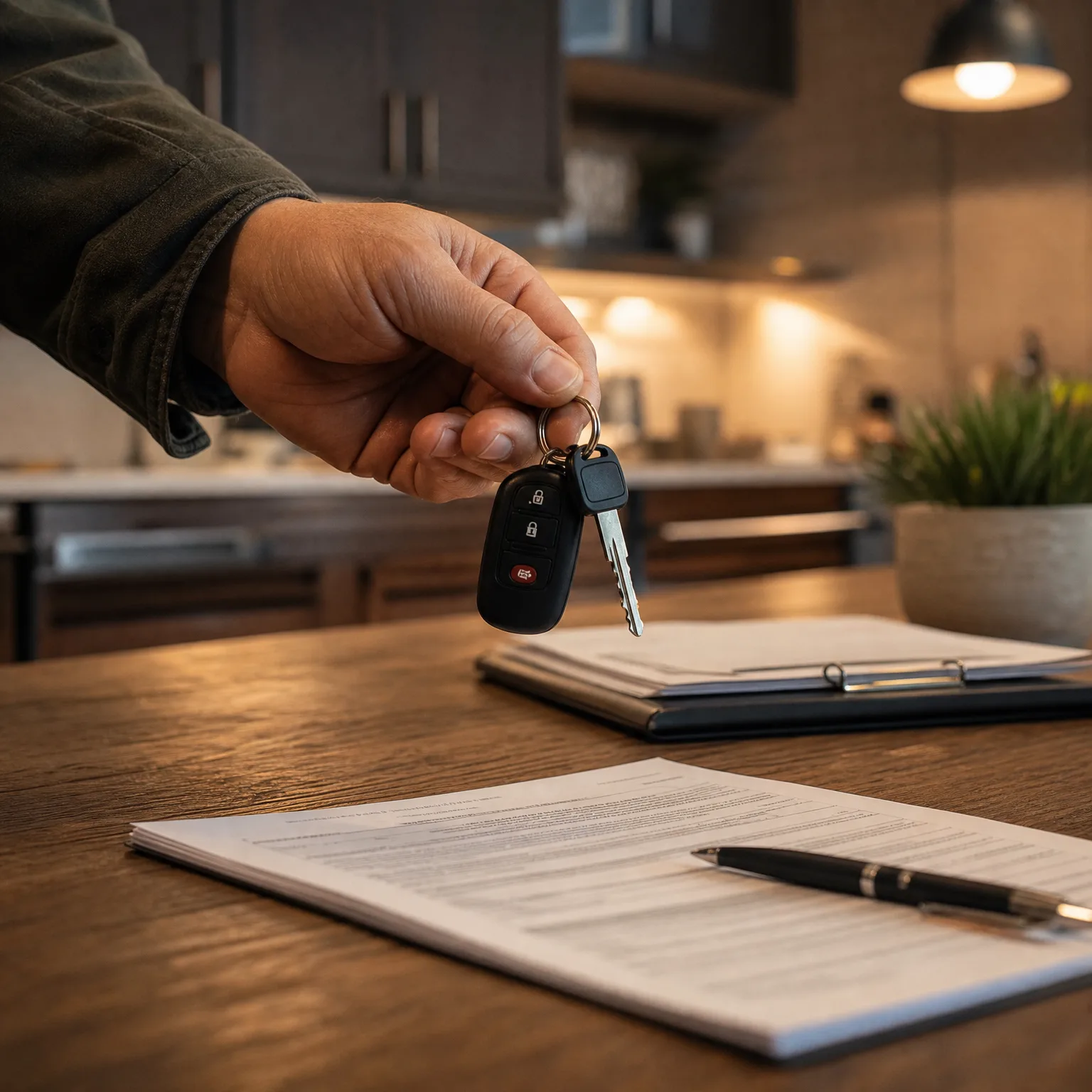
Scheduling a hearing through the clerk's office before appearing eliminates most arrest risk. When you call to request a hearing date, the clerk will typically note in the system that you made contact and intend to appear. Many judges will recall the warrant once contact is made, especially if you provide proof of address and confirm you will attend the scheduled date. Ask the clerk directly: "If I schedule a hearing, will the warrant be recalled before that date?" Some jurisdictions require you to appear at a warrant-recall hearing first, then schedule the underlying citation hearing separately.
Walking in without scheduling works in jurisdictions that hold daily walk-in traffic court or have a dedicated warrant-resolution window. Large urban courts often have a "warrant desk" that processes self-surrenders between 8 a.m. and noon. You check in at the desk, the clerk pulls your case, and you either pay the citation on the spot or receive a hearing date with the warrant recalled. Smaller county courts may not offer walk-in processing and require all appearances to be scheduled.
If you walk in without scheduling and the court has no same-day process, the clerk may direct you to post bail immediately or schedule a future date. Posting bail clears the warrant but does not resolve the underlying citation or the FTA hold. You still owe the court appearance for the original ticket. The bail amount is set by the warrant terms and varies by offense severity and prior FTA history. First-time FTA on a speeding ticket typically carries bail between $200 and $500. Subsequent FTA or higher-severity citations carry bail up to $1,500 or more.
What the Court Requires to Clear the FTA Hold
Clearing the FTA hold requires two separate actions: resolving the bench warrant and resolving the underlying citation. The warrant is resolved by appearing in court, posting bail, or having it recalled by the judge. The citation is resolved by pleading guilty, pleading no contest, going to trial, or having the case dismissed. Only after both are resolved does the court notify the DMV to release the FTA suspension hold.
Some drivers assume paying the ticket online clears the FTA. Paying the ticket resolves the citation but does not recall the warrant. The warrant is a separate court order issued because you failed to appear. You must appear in person or through an attorney to address the warrant, even if the ticket is already paid. Courts will not lift the FTA hold until the warrant is formally recalled or resolved.
If the underlying citation requires proof of correction (insurance, registration, equipment repair), bring proof to your appearance. Judges dismiss many fix-it tickets when proof is provided at the hearing, which eliminates the fine and court costs. If proof is not provided, the judge will either continue the hearing to give you time to obtain it or find you guilty and impose the full fine. The FTA hold remains in place until the case is closed, regardless of whether the citation is ultimately dismissed or paid.

Get Back on the Road After a Missed Court Date
Get My Post-FTA Insurance Quote
FTA Suspension Reinstatement After Court Clearance
Once the court resolves your case and recalls the warrant, the clerk files an electronic release notice with the DMV. Most states process the release within 3 to 10 business days, but the DMV will not automatically reinstate your license. You must pay a separate reinstatement fee to the DMV after the FTA hold is cleared. The reinstatement fee is distinct from any court fines, bail, or warrant fees. Typical reinstatement fees for FTA suspensions range from $50 to $150 depending on the state.
Some states require you to request the reinstatement in person at a DMV office and provide proof that the court case is closed. Bring a certified copy of the court disposition showing the case resolved and the warrant recalled. The DMV will verify the court's electronic filing, clear the suspension, and issue a receipt showing your license is valid. Other states allow online reinstatement once the FTA hold is released, but you must confirm the court's release has posted to the DMV system before paying the fee online.
If the underlying citation that triggered the FTA was for driving without insurance, driving on a suspended license, or reckless driving, the DMV may require SR-22 insurance filing before reinstatement is approved. The court does not determine SR-22 requirements — the DMV does, based on the offense type. Check your state's DMV requirements for the specific citation type resolved. If SR-22 is required, you must obtain the filing from an insurance carrier and maintain it for the state-mandated period, typically 2 to 3 years.
When Walking In Is the Wrong Move
If your warrant is felony-level, out-of-county, or issued with a no-bail hold, walking in without legal representation is high-risk. Felony FTA warrants require mandatory booking and arraignment. You will be detained, fingerprinted, and held until the judge is available to set bail or release conditions. This process can take 24 to 72 hours depending on court schedules. If you know your warrant is felony-level, retain an attorney to negotiate a surrender with the court before you appear.
Out-of-county warrants create detention risk even for misdemeanor traffic matters. If you were cited in County A but now live in County B, appearing at a County B courthouse for an unrelated matter will trigger the County A warrant when your ID is checked. County B will detain you until County A decides whether to extradite or release. Most counties release on traffic FTA warrants, but the decision can take hours or days. If you need to resolve an out-of-county FTA, appear directly at the issuing court in County A rather than hoping County B will handle it.
No-bail warrants require you to see a judge before release, which means you cannot post bail at the counter and leave. If the warrant terms specify "no bail" or "must appear," walking in without scheduling may result in overnight detention until the next court session. Call the clerk to confirm the warrant type and ask whether same-day resolution is possible before showing up unannounced.
Insurance Requirements After FTA Suspension Reinstatement
Most FTA suspensions do not independently trigger SR-22 filing requirements unless the underlying citation was for a high-risk offense. If the missed court date was for a speeding ticket, illegal turn, or other moving violation that does not carry SR-22 consequences, your license reinstatement will not require proof of financial responsibility filing. Once the court clears the FTA and the DMV processes the release, you pay the reinstatement fee and your license is valid.
If the citation you missed court for was driving without insurance, driving on a suspended license, DUI, reckless driving, or another offense your state classifies as high-risk, the DMV will require SR-22 filing before reinstating your license. The SR-22 requirement is tied to the underlying offense, not the FTA itself. You must obtain an SR-22 policy from a licensed insurer, maintain it for the full filing period, and keep your premiums current. Any lapse in SR-22 coverage triggers a new suspension.
Drivers reinstating after FTA with no SR-22 requirement can return to standard auto insurance. If your policy lapsed during the suspension period, contact your previous carrier to reinstate or shop for a new policy. Reinstatement after suspension may result in higher premiums even if SR-22 is not required, because the suspension appears on your motor vehicle record. Comparing quotes from multiple carriers helps identify the lowest post-suspension rate available in your area.
Frequently Asked Questions
Can I be arrested for a bench warrant if I walk into court during business hours?
Arrest at the counter is uncommon for traffic FTA warrants when you self-surrender during regular court hours. Most clerks will direct you to schedule a hearing or pay the citation. Felony warrants and no-bail warrants carry mandatory detention regardless of when you appear.
How do I find out if I have a bench warrant before going to court?
Check the county court's online case lookup tool using your name, date of birth, or citation number. If the docket shows "warrant issued" with no recall date, the warrant is active. Call the clerk's office if the online system does not display warrant status — they will confirm whether a warrant exists and whether it is bondable.
Does paying the ticket online clear the bench warrant and FTA hold?
Paying the ticket resolves the citation but does not recall the warrant. The warrant is a separate court order requiring your appearance. You must appear in person or through an attorney to have the warrant recalled, even if the underlying ticket is already paid.
How long after court clears my FTA does the DMV reinstate my license?
The court files an electronic release with the DMV within 3 to 10 business days after resolving your case. The DMV does not automatically reinstate your license — you must pay a separate reinstatement fee and provide proof the court case is closed. Some states require in-person reinstatement at a DMV office.
Do I need SR-22 insurance after an FTA suspension is cleared?
SR-22 requirements are tied to the underlying offense, not the FTA itself. If the citation you missed court for was driving without insurance, DUI, reckless driving, or another high-risk offense, your state may require SR-22 filing before reinstatement. If the citation was a standard moving violation, SR-22 is typically not required.
What happens if I walk into the wrong courthouse with an active warrant?
If you appear at a courthouse in a different county than the one that issued your warrant, the deputy checking your ID will see the hold and may detain you until the issuing county decides whether to extradite or release. Most counties do not extradite for traffic FTA warrants, but detention can last hours or overnight.
Can I schedule a hearing to avoid walking in with a warrant?
Scheduling a hearing through the clerk's office eliminates most arrest risk. Many judges recall the warrant once you make contact and confirm you will appear on the scheduled date. Ask the clerk directly whether the warrant will be recalled before your hearing or if you must attend a separate warrant-recall session first.
Related Articles

Walk-In FTA Court Appearance: Clear Your Hold Without Delay
5/18/2026

Walking Into Court With an FTA Bench Warrant in CA
5/18/2026
Bench Warrant Recall: Attorney vs Walk-In Cost & Time
5/18/2026
Walking Into FL Court for FTA With Active Bench Warrant
5/18/2026

Walk-In Court vs Attorney for FTA Hold Clearance
5/18/2026
Walk Into Court for FTA With Active Bench Warrant NC
5/18/2026